
| Feature | Villanovan phase | Etruscan-era phase | What it means for the comparison |
|---|---|---|---|
| Dating | Villanovan I c.1100-900 BC; Villanovan II 900-700 BC | Earliest identifiably Etruscan culture from about 900 BC; orientalizing period from the 8th century BC | The labels overlap, so read the change as gradual rather than a single date |
| Settlement | Concentrated settlements | Larger Villanovan sites built over and evolving into early cities | Same places, larger scale |
| Writing | Phase ends around the date of the earliest inscriptions, about 700 BC | Etruscan alphabet in use from about 700 BC to around 100 AD | Writing is the clearest new marker |
| Trade and contacts | Amber, showing links with the Balts | Marked increase in Greek influence in northern Italy; Greek influx in the orientalizing period | Contacts widen towards the Mediterranean |
Dates and contrasts in the table draw on the History Files account of the Villanova culture and the History Draft Etruscan timeline.
Villanovan vs Etruscan is mostly a contrast between two phases of one story in Bologna: the Villanovan Iron Age culture was followed without a severe break by Etruscan civilization.
For the wider story of the city, start with the etruschi a bologna storia overview, then use the situations below to compare the two phases on the feature that matters to you.
If you need the dates: when Villanovan becomes Etruscan
The Villanovan to Etruscan transition has no single year, because the phase labels overlap. History Files divides the Villanovan into a proto-Villanovan Villanovan I between 1100-900 BC and the Villanovan proper, Villanovan II, between 900-700 BC. History Draft, meanwhile, dates the earliest evidence of an identifiably Etruscan culture to about 900 BC and describes the Villanovan as the earliest phase of Etruscan civilization.
The orientalizing period, which History Draft says began in the 8th century BC with an influx of luxuriously living Greeks, sits inside the later Villanovan span. That is why a date such as 900 BC marks a point where the culture becomes identifiable as Etruscan, not a moment when one society replaced another.
Bologna adds a local twist. History Draft states that the area around Bologna has been inhabited since the 9th century BC, yet History Files says the major centres of Padan Etruria, around Bologna and Modena, were only founded in the sixth century BC. Both statements can be true together. Settlement of the area came first, and the large Etruscan centres of the Po plain came later. A dated sequence for the city is set out in the etruscan bologna timeline.
- Choose the cultural reading when asking when Etruscan culture first becomes identifiable. About 900 BC is the date given, and the Villanovan is treated as its earliest phase.
- Choose the city reading when asking about Etruscan Bologna as a major urban centre. The sixth century BC is the date given for the principal centres of Padan Etruria.
If you are comparing burial: cremation, urns and grave goods
The Villanovan baseline
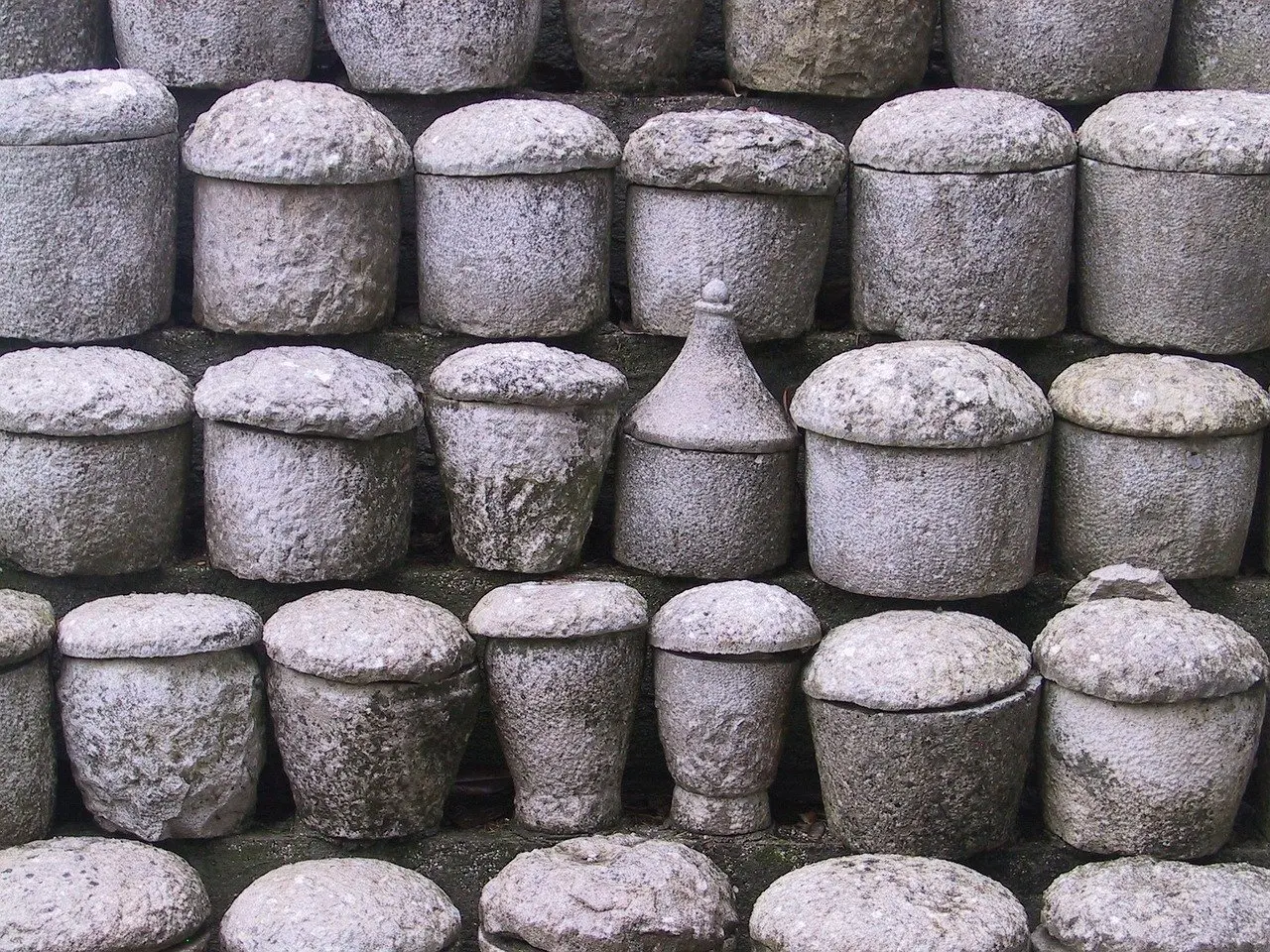
Cremation is the defining Villanovan rite. According to History Draft, the Villanovans buried the ashes of their dead in pottery urns of a distinctive double-cone shape. History Atlas adds that pit graves lined with stones contained funerary urns, and that some urns were fashioned like small huts.
The same source reports that the Villanova excavation involved 193 tombs, dug between 1853 and 1855, and that six were separated from the rest as if to signify a special social status. Differences in rank were therefore already visible in Villanovan burial before the Etruscan phase. The wider setting of these finds is covered in the villanovan culture bologna guide.
What burial can and cannot show
A comparison of cremation and inhumation therefore starts from a firm Villanovan baseline. Urns were accompanied by simple bronze fibulae, razors and rings, so the grave goods were modest. That modesty is the benchmark against which later display should be judged, and it is why grave goods tell more about change than the rite alone.
- Where burial helps: a double-cone urn in a stone-lined pit is a recognisable Villanovan signature.
- Where it misleads: a change of rite or of goods does not by itself show a change of people, because scholars describe the Etruscan civilization as following without a severe break.
If you are comparing writing: the Etruscan alphabet
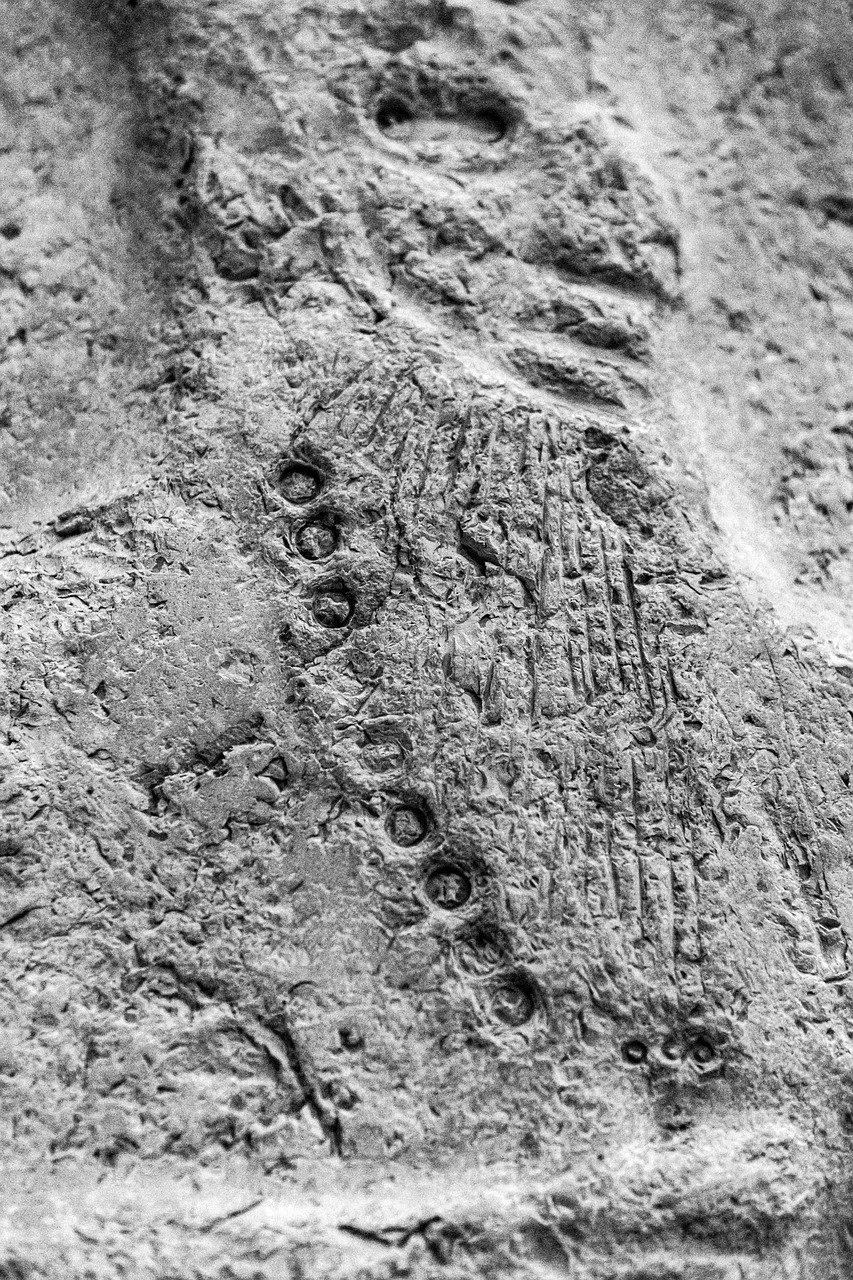
Writing is the feature that most cleanly separates the phases. History Draft says the Etruscan alphabet was used from about 700 BC to sometime around 100 AD. Villanovan II ends at 700 BC, the same date given for the earliest writing, so the alphabet arrives at the point where the Villanovan label stops.
For readers wanting the earliest Etruscan inscriptions in Bologna, one caution matters. The same source says the earliest known examples of Etruscan writing are inscriptions found in southern Etruria dating to around 700 BC. Bologna therefore should not be assumed to hold the first inscriptions, and any Bolognese example is best read as part of a wider alphabet that spread across Etruscan territory.
If you are comparing trade, craft and outside contact
Trade links shifted in direction between the phases. According to History Files, the Villanovans had links with the Balts, shown by the widespread use of amber. History Atlas credits them with introducing iron-working to the Italian peninsula, a craft change that precedes the Etruscan civilization rather than belonging to it.
The same History Files account notes a marked increase in Greek influence in the Villanova regions of northern Italy. This fits the orientalizing period, which History Draft places in the 8th century BC and associates with an influx of luxuriously living Greeks. The comparison here is of orientation: amber pointed north towards the Baltic, while the later influences came from the Greek world.
A practical warning follows. Objects showing Greek or eastern taste point to the orientalizing period, but they do not on their own prove that a tomb is Etruscan rather than late Villanovan, since the two periods overlap.
If you are comparing settlement: from concentrated sites to cities
Settlement is where continuity is easiest to see. History Files says the concentrated Villanovan settlements evolved naturally into the early cities of the Etruscan period, and that many of the larger Villanovan settlements were built over in Etruscan times. The early city of Tarchna, modern Tarquinia, is described as founded at least as early as the ninth century BC.
The practical consequence is that Etruscan levels often lie directly on top of Villanovan ones. For Bologna, expect the Etruscan city and its Villanovan predecessor to be connected by place as well as by culture.
Proto-Etruscan, identity and continuity
Are the Villanovans the same people as the Etruscans?
The best-supported answer is that the Villanovan is the earliest phase of Etruscan civilization, not a separate rival people. Origins remain open, though. History Files says it is impossible to pin down specific origins for the people of the Villanova culture, and that they may have been indigenous. Certainty about ethnic identity therefore outruns the evidence, while continuity of culture and place is well supported.
What proto-Etruscan means
Proto-Etruscan is a label, not a separate archaeological culture. History Files notes that some scholars label the Villanova people proto-Etruscans, and History Draft says that a related site at Clusium is possibly Etruscan or proto-Etruscan. The term signals a population that is ancestral to the Etruscans without being fully Etruscan by the usual markers, such as the alphabet.
- Use Villanovan for cremation in double-cone urns, simple bronze goods and the earlier Iron Age settlements.
- Use proto-Etruscan when stressing that the Villanovan led into the Etruscan, accepting that this is a scholarly interpretation rather than a fixed category.
- Use Etruscan for the alphabet, the orientalizing period and the cities that grew from earlier settlements.
Continuity and change coexist in this record. Place, settlement and perhaps people continue, while writing, outside contact and display change. A reader asking what changed in Bologna between the Villanovan and Etruscan periods will find the sharpest differences in script, trade orientation and urban scale.
Frequently asked questions
What is proto-Villanovan?
It is the earlier stage of the Villanovan. History Draft says it appeared in Italy in the first half of the 12th century BC and lasted to the 10th century BC, while History Files equates it with Villanovan I, c.1100-900 BC.
Where was the Villanova cemetery found?
History Files reports that its remnants were found in 1853 near Villanova (Castenaso), to the south-east of Bologna.
What links Villanovan burial to Central Europe?
History Atlas says the burial characteristics relate the Villanovan culture to the Central European Urnfield culture. It also states that Villanovan cultural origins, but perhaps not all its peoples, lie in the Eastern Alps.