

Villanovan culture Bologna is an early Iron Age society that cremated its dead and buried the ashes in biconical urns. It takes its name from Villanova, a village of Castenaso about 12 km east of the city, according to Greek Reporter’s account of the culture.
For the wider story of how this community became the Etruscan city, see the overview etruschi a bologna storia. This guide stays with the Villanovan people themselves: where the name comes from, what their graves held and what those graves can and cannot tell us.
Where Villanovan culture came from
Villanovan culture was Italy’s first Iron Age society, and it is also described as the earliest phase of Etruscan civilization. Greek Reporter notes that it had artistic and trade links with ancient Greece, so it was not an isolated village world (Greek Reporter).
The culture did not appear from nothing. It followed directly from the Bronze Age Proto-Villanovan culture, which branched off from the Urnfield culture of Central Europe. That ancestry matters because cremation, the defining Villanovan burial rite, belongs to the same urn-burial tradition as the Urnfield name.
Why the Bologna area matters
Villanovan settlement was centred in Emilia Romagna, particularly Bologna and Verucchio near Rimini. Bologna is therefore not a peripheral example. It is one of the core areas where the culture is studied, and it is the place where its name was first attached to a cemetery.
The Villanovan phase comes first in the local sequence. What changed once Etruscan identity took hold in the city is treated separately in villanovan vs etruscan, so this page avoids reading Etruscan features back into the earlier community.
Villanova di Castenaso: discovery and the origin of the name
Villanova di Castenaso is the findspot that gave the culture its label. The Villanovan name is derived from the site of the first archaeological finds related to this Iron Age culture, and those finds were the ruins of a cemetery near Villanova, a village of Castenaso (Greek Reporter).
The location is easy to place. Villanova lies around 12 km east of Bologna in northern Italy, close enough that the cemetery belongs to the same cultural landscape as the city itself.
Giovanni Gozzadini’s excavation
The excavation ran from 1853 to 1855 and was carried out by the scholar and site owner Count Giovanni Gozzadini. His double role is worth noting: he owned the ground and he interpreted it, so the first picture of Villanovan burial rested on one man’s fieldwork on his own land.
That cemetery was the first to be recognised, which is why a village name now labels a whole phase of Italian prehistory. The label is a convention of discovery. It does not mean that Villanova was the largest or most important Villanovan community.
Among the graves, six were separated from the others, which potentially highlights a raised social status. The count of 193 tombs from the site gives that observation its scale: a small minority set apart within a larger burial ground.
Burial rite and grave goods
The earliest Villanovan burial rite typically involved cremation. The ashes were placed in a decorated pottery ossuary of a biconical, or two-storied, form, covered with a bowl (Greek Reporter). The biconical urn is the signature object of the culture because it combines the rite and the pottery tradition in a single vessel.
| Feature | Detail | Planning use |
|---|---|---|
| Burial rite | Cremation, the earliest rite | Expect urns and ashes, not skeletons, in early Villanovan graves. |
| Container | Decorated biconical (two-storied) pottery urn | Use the profile to recognise Villanovan pottery in displays and drawings. |
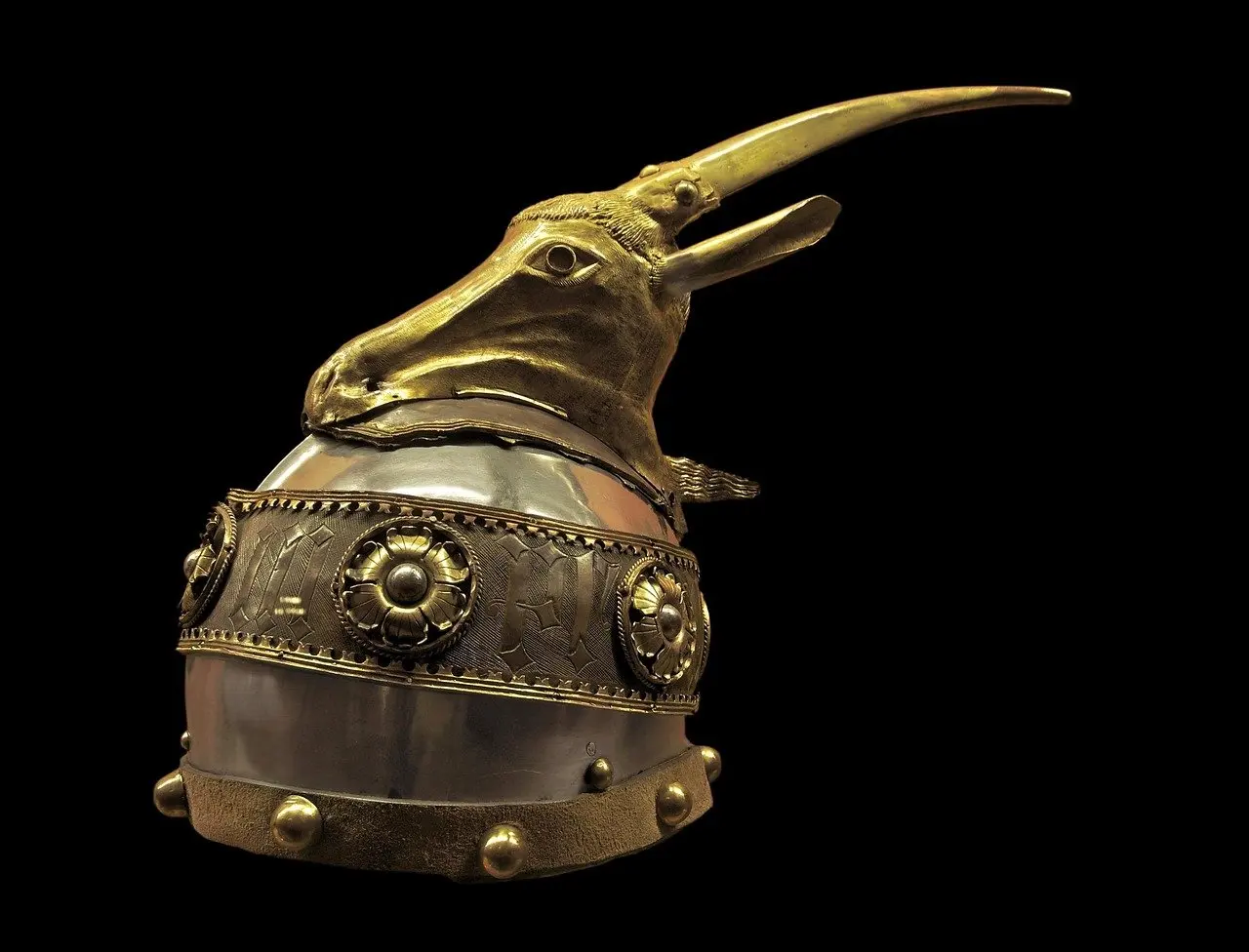
| Cover | A bowl, or often a pottery version of a helmet | A helmet-shaped lid points to a male warrior ideal in the burial. |
| Men’s graves | Often filled with weapons and armour | Read these as a marker of male role or status. |
| Women’s graves | Typically contained weaving tools | Read these as a marker of women’s work and role. |
These details are drawn from Greek Reporter’s summary of Villanovan burials.
What the objects suggest
The lid is a good example of how one object carries meaning. A pottery helmet over the ashes of a dead man echoes the weapons and armour found in men’s graves, so the container itself may be doing the same job as the goods around it.
The tools left in graves may suggest a belief in the afterlife. The word is “may”: nothing in the finds spells out what Villanovans believed, and the afterlife reading is an inference from what was chosen to accompany the dead.
Metalwork, adornment and status
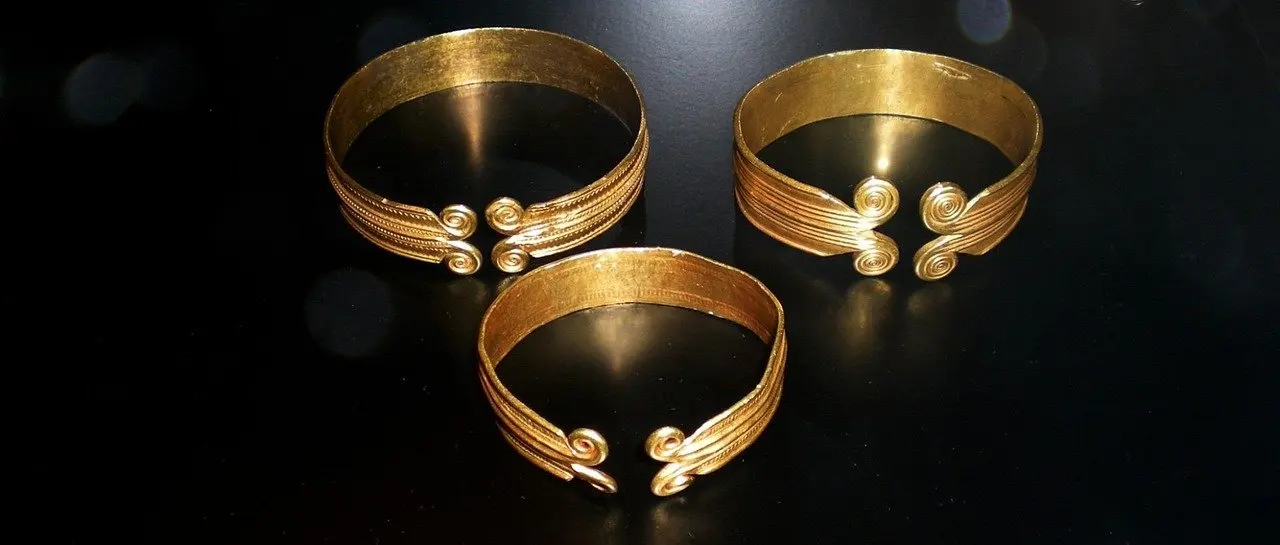
Villanovan graves become richer and more differentiated over time. In the later phase, known as Villanovan II, grave goods include glass and amber necklaces for women and armour and horse harness fittings of bronze (Greek Reporter).
Skilled metalwork of this kind suggests the development of societal elites within Villanovan culture. The pattern fits the wider shift described for this phase: the gradual development of high-society graves rather than the earlier egalitarian culture.
Reading status from graves
Two kinds of evidence support the picture of emerging hierarchy. One is the quality and type of metal goods, such as armour and harness fittings. The other is placement, as in the six separated tombs at Villanova.
Treat both with caution. A rich grave shows what a family chose to bury, and a separated grave shows that the community treated it differently. Neither explains by itself how power worked in life. The safest reading is that the egalitarian look of earlier burials gave way to visible differences in rank.
Geographic spread and trade
Bologna and Verucchio near Rimini anchor the northern group, but Villanovan settlements also extended to Marche (Fermo) and to Tyrrhenian Etruria in Tuscany and Lazio. Villanovan cremation burials can also be found in Campania, at sites including Capua, Pontecagnano and Sala Consilina (Greek Reporter).
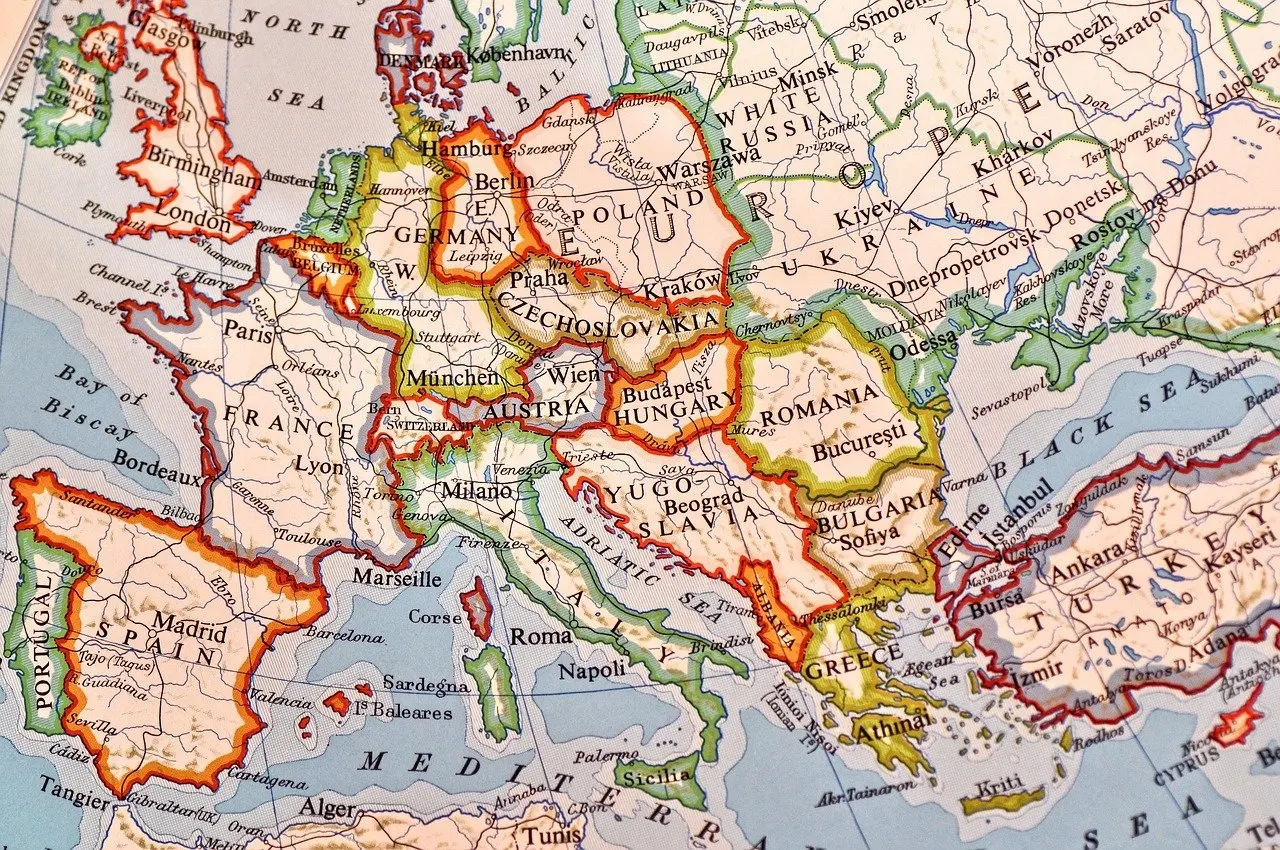
The spread explains why Bologna should be read as one regional centre rather than the whole culture. Emilia Romagna holds the northern concentration, while Tuscany, Lazio and Campania show that the same burial tradition travelled well beyond it.
Contacts beyond Italy
Villanovan communities traded with Mediterranean peoples, and Greek presence influenced Villanovan pottery. In the later phase, trade also reached north along the Amber Road, which fits the amber necklaces found in graves.
These contacts show a society that was connected from an early date. It was not an isolated farming group that only met outsiders after the Etruscans arrived.
How we know about Villanovan life
Almost everything known about the Villanovans comes from burial evidence. Cemeteries such as the one at Villanova preserve urns, weapons, tools and ornaments, and those objects are the basis for statements about rite, gender roles, trade and status (Greek Reporter).
What graves can and cannot show
Graves reveal how people wished to be remembered. Weapons and armour in men’s graves, and weaving tools in women’s, point to different roles. The metalwork points to craft skill, and the Greek-influenced pottery and the amber show contact.
Graves are a less direct guide to everyday life, because they record ritual choices. Some inferences, such as belief in an afterlife or a raised social status, are reasoned readings of the finds and are stated as possibilities rather than facts.
The practical rule is to separate what an object is from what it is said to mean. A biconical urn with a bowl cover is a plain observation, while a hierarchy or an afterlife is an interpretation built on it.
From Villanovan community to city
Because Villanovan culture is described as the earliest phase of Etruscan civilization, the same ground later belongs to the city usually called Felsina. The article on felsina etruscan bologna picks up that later period, once the Villanovan foundations described here were in place.
Frequently asked questions
Is Villanovan culture the same as Etruscan culture?
Not exactly. Villanovan culture is described as the earliest phase of Etruscan civilization and as Italy’s first Iron Age society, so it comes before the fully Etruscan period.
Who first excavated a Villanovan cemetery?
Count Giovanni Gozzadini, a scholar who owned the site, excavated the cemetery near Villanova from 1853 to 1855.
Did Villanovan society have social ranks?
The evidence points that way in later graves. Skilled metalwork suggests developing elites, and six separated tombs at Villanova may indicate raised status.
Did the Villanovans have contact with other peoples?
Yes. They traded with Mediterranean peoples, Greek presence influenced their pottery, and trade reached north along the Amber Road.