
| Phase | What the museum records | Planning use |
|---|---|---|
| 1336 | Works begin on Palazzo Galvani, the building that houses the museum | Treat the palace as part of the visit, not only a container for the cases. |
| 1565 | Antonio Morandi, called Terribilia, builds the Portico of Death | The portico is the building’s own landmark; look for it before going into the galleries. |
| 25 September 1881 | Official inauguration of a museum formed from the University Museum and the Municipal Museum | Explains why Bologna’s own excavated material is central to the collection. |
| 17 November 2012 | New hall for the Etrusco-Italic collection inaugurated | Check the floor plan for this hall as a separate stop from the Etruscan section. |
| 2020 | Mondadori Electa catalogue of a large Etruscan exhibition, 528 pages | Use it for deep reading after the visit, not as a visit guide. |
| November 2024 | 127 works from the permanent collections on Google Arts & Culture | Preview objects online before choosing which rooms to prioritise. |
| 10 April 2026 | Museum guide from Franco Cosimo Panini, 320 pages | The current printed guide to the whole museum. |
Dates and publications are taken from the Musei Civici di Bologna page for the museum and the Città metropolitana di Bologna notice on the Etrusco-Italic hall.
Searching museo civico archeologico bologna etruschi leads to a dedicated Etruscan section inside Palazzo Galvani, Via dell’Archiginnasio, 2, where Certosa necropolis grave goods belong to the founding collections.
This guide orients you by section and by excavation origin rather than by highlights. For the wider picture of collections across the city, see the overview of the etruscan museum bologna heritage.
Palazzo Galvani and the museum address
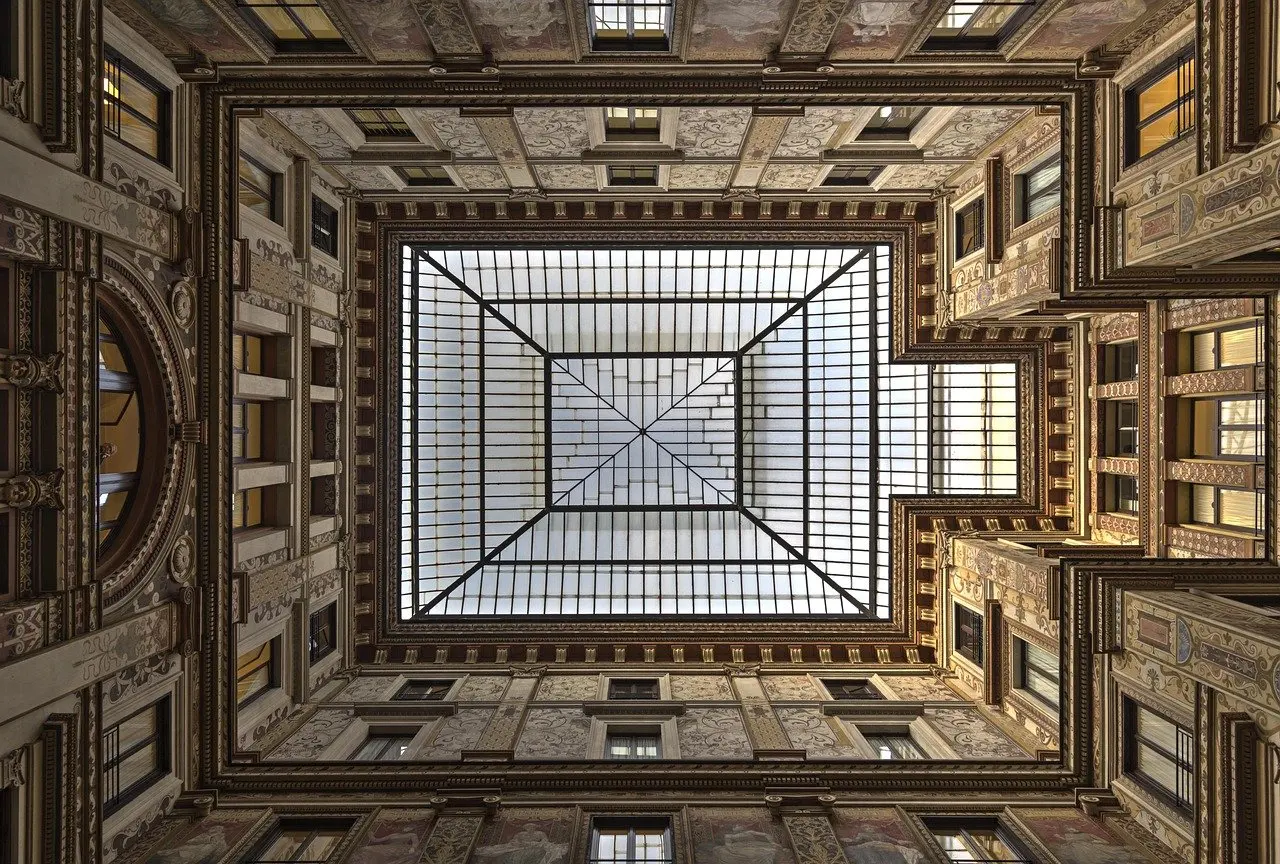
The Museo Civico Archeologico di Bologna is at Via dell’Archiginnasio, 2, 40124 Bologna, according to the official museum page. The same page dates the origins of Palazzo Galvani to 1336, when works on the building began. In 1565 Antonio Morandi, known as Terribilia, built the Portico of Death, which the museum describes as majestic.
The building matters for orientation because the museum states that many of its rooms still keep the appearance and layout they had in the nineteenth century. A visitor should therefore expect a historic palace with period room arrangements, not a modern sequence of thematic galleries. That makes a floor plan more useful than guesswork when looking for one section among many.
Why the building history shapes the visit
A museum housed in a palace of this age has rooms of differing size and character, and the museum itself stresses that this nineteenth-century arrangement survives. Allow time to move between rooms deliberately. Anyone planning timing and entry should use the separate guide to museo civico archeologico bologna orari e biglietti, since this page does not cover logistics.
1881: founding collections and the Certosa necropolis
The museum was officially inaugurated on 25 September 1881, and the museum’s own history says it was born from the merger of two earlier institutions, the University Museum and the Municipal Museum. Among the material brought together were the grave goods of the Certosa necropolis, whose excavations were still under way at the time.
This answers the question of where the key objects come from. The Certosa is the necropolis named on the museum’s page, and its finds were part of the founding collections, not a later addition. In practical terms, Etruscan grave goods in Bologna are objects recovered from burials. The museum’s history ties its Etruscan holdings to the city’s own excavated cemeteries, not to purchases of unrelated antiquities.
What to expect from burial-derived material
- Context over single masterpieces. Grave goods are assemblages that came from tombs, so the museum’s account of Certosa finds invites reading groups of objects together.
- A long chronological span. The museum describes its early finds as ranging from the early Iron Age to the Roman era, so Etruscan-period objects sit inside a longer local sequence.
- Other necropolises. The museum page names the Certosa; check labels in the rooms and the printed guide for any further find-spots rather than assuming them.
Reading the Etruscan section room by room
The museum lists the Etruscan section as one of its current collections, alongside prehistoric, Gallic, Lapidary, Greek, Etrusco-Italic, Roman and Egyptian sections, plus numismatic and plaster cast collections. Its overall range runs from prehistory to the Roman age. A third-party summary puts the total at around 200,000 artifacts documenting the history of Bologna, so choosing sections in advance saves effort.
The museum offers a downloadable PDF leaflet with descriptions of the collections and a floor plan. That leaflet is the most reliable basis for a room-by-room route, because room numbering and sequence are set by the museum and the historic layout is not intuitive.
A practical order for the Etruscan rooms
- Download the leaflet first. Take the PDF floor plan from the official museum page and mark the Etruscan section.
- Start with the Etruscan section. This is where the core local material is displayed, including the Certosa-derived grave goods described in the museum’s history.
- Add the Etrusco-Italic hall. The Etrusco-Italic collection room was newly created and inaugurated on 17 November 2012, so treat it as a distinct stop rather than part of the main Etruscan route.
- Look at neighbouring sections last. The prehistoric, Gallic, Lapidary and Greek sections give context for what the Etruscan rooms show.
Visitors with limited time should prioritise the first three steps and leave the Egyptian, numismatic and plaster cast collections for another day, since they sit outside the Etruscan question.
Villanovan material and the Etruscan rooms
The museum describes its finds as running from the early Iron Age to the Roman era, and that span is the frame in which Villanovan culture and Etruscan material are read together. The Villanovan culture belongs to the early Iron Age end of this range, and objects from that period lead into the Etruscan phase in the same local story.
The museum’s section list names a prehistoric section and an Etruscan section but does not give Villanovan material a separate heading. Anyone looking for a dedicated Villanovan room should therefore check the floor plan and the labels on site, not assume a separate wing. The practical judgement is simple: read the prehistoric and Etruscan sections as neighbours in one sequence and expect the Villanovan period to be shown in connection with them.
Inscribed objects add another way into the same material, and the guide to iscrizioni etrusche bologna follows that thread through the city’s finds.
Later additions and ways to prepare
Three later developments help with preparation. The museum’s page presents a large Etruscan exhibition of about 1,400 objects from 60 Italian and foreign museums, with an exhibition catalogue published by Mondadori Electa in 2020 running to 528 pages. Since November 2024, 127 works from the permanent collections have been available on Google Arts & Culture. The current museum guide, from Franco Cosimo Panini, was published on 10 April 2026 and runs to 320 pages. All of this is listed on the Musei Civici page.
- Before the visit. The online selection suits readers who want to preview objects and choose rooms.
- During the visit. The printed guide covers the whole museum and suits visitors who want one reference for every section.
- After the visit. The exhibition catalogue records a large Etruscan exhibition, so it is a deeper study resource rather than a map of the permanent rooms.
Troubleshooting the visit plan
- You cannot find a Villanovan room. The museum’s section list has no separate Villanovan label, so use the floor plan and look in the prehistoric and Etruscan areas.
- The room order feels confusing. The museum says many rooms keep their nineteenth-century layout, so follow the floor plan and do not assume a modern linear route.
- You expected a highlights list. The museum organises by collection section, so use the section list and leaflet instead.
- You need entry details. Opening times and ticketing are handled in the guide to museo civico archeologico bologna orari e biglietti.
Frequently asked questions
Does the museum have a separate Etruscan section?
Yes. The museum’s list of current collections names an Etruscan section, and a separate Etrusco-Italic hall also exists.
Which necropolis does the museum name for its founding grave goods?
The Certosa necropolis. Its grave goods were part of the founding collections, and its excavations were still under way when the museum was founded.
Where is the museum?
At Via dell’Archiginnasio, 2, 40124 Bologna, in Palazzo Galvani, whose origins the museum dates to 1336.
When did the museum open?
It was officially inaugurated on 25 September 1881, after the University Museum and the Municipal Museum merged.
Is there a floor plan I can use in advance?
Yes. The museum provides a PDF leaflet with descriptions of the collections and a floor plan on its official page.