
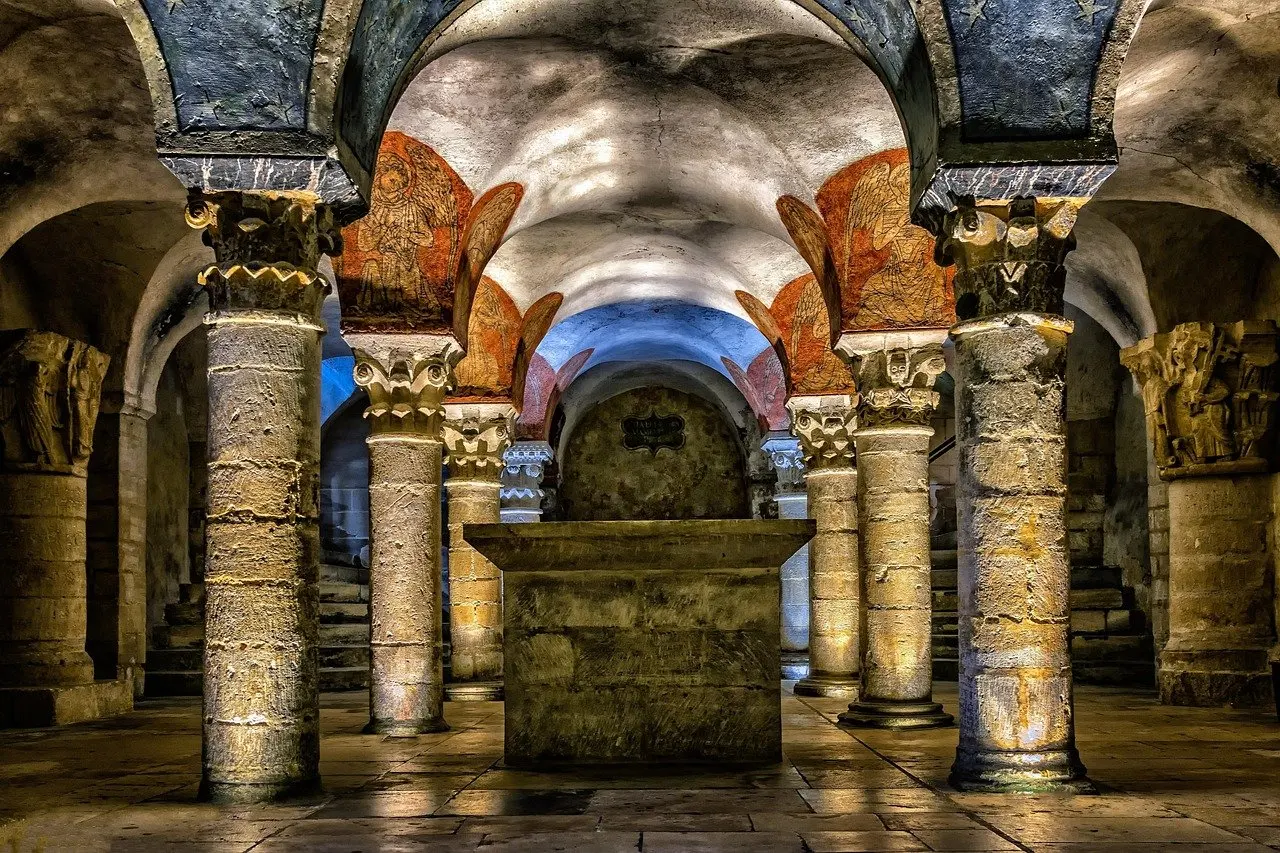
| Feature | What the evidence shows | Planning use |
|---|---|---|
| Political setting | Etruria was never a single unified state but a collection of independent city-states. | Expect regional variety. Compare works city by city instead of looking for one national style. |
| Time span | Etruscan art flourished between the 8th and 3rd century BCE, after the Villanovan precursor culture (c. 1000 to c. 750 BCE). | Date an object before judging its style. |
| Outside influence | Greek artists settled in Etruria from the 7th century BCE onwards, and Eastern, Greek and Villanovan elements were combined. | Read Greek-looking features as adapted, not simply copied. |
| Materials | Black bucchero pottery, bronze and terracotta, backed by local copper, iron, lead and silver. | Look for black ware and cast bronzes first, then for terracotta funerary pieces. |
| Tomb painting | Only 2% of tombs were painted. | Treat painted chambers as rare, not as typical burials. |
| Funerary sculpture | Terracotta coffin lids show reclining couples whose affection is entirely Etruscan in attitude. | Read the lids as portraits of relationships, not generic figures. |
Figures and descriptions in the table come from World History Encyclopedia’s overview of Etruscan art.
Etruscan art characteristics include vivid colour, lively figures, black bucchero pottery, bronzework and painted tombs, all shaped by Greek and Eastern models. Judge each work by its city, date and material, because Etruria was never one state.
Readers who want to see how these traits appear in a real collection can use the etruscan museum bologna overview as a starting point.
Reading Etruscan works by city, date and material
Etruscan art is renowned for its vitality and often vivid colouring, according to World History Encyclopedia. The practical consequence of Etruria’s political layout is that no single object stands for the whole culture. Each choice below changes how a work should be read.

- Start with the city. Independent city-states produced their own versions of shared themes, so a tomb painting from one city and a bronze from another are not directly comparable without that context.
- Expect energy over restraint. Vitality and strong colour are the traits most often used to describe the style, so a muted or static piece is worth checking against its date and place before it is called typical.
- Notice relationships between figures. The reclining couples on terracotta coffin lids are the clearest case, where the artist captured an affection between the pair that is described as entirely Etruscan.
- Do not assume Greek priority. Etruscan artists produced nude statues of female deities before the Greeks did, so borrowing ran in more than one direction.
Periods and dated examples
Etruscan art spans the 8th to 3rd century BCE in central Italy, and the examples below give a dated frame. The sequence runs from the indigenous Villanovan culture, the precursor to the Etruscan culture proper, through to works made close to the end of the independent city-states.
- Villanovan culture, c. 1000 to c. 750 BCE. This is the indigenous base on which later Etruscan work was built.
- From the 7th century BCE. Greek artists began to settle in Etruria, which opened a long period of exchange.
- Sixth century BCE. The Tomb of Hunting and Fishing at Tarquinia is supposed to date from this century.
- 530-520 BCE. The Tomb of the Lionesses at Tarquinia was built.
- 480-470 BCE. The Tomb of the Monkey, also at Tarquinia, was constructed.
- 5th or 4th century BCE. The bronze Chimera of Arezzo dates to this range.
- Late 4th century BCE. The Francois Tomb at Vulci is an outstanding painted example.
- Around 300 BCE. The Portrait of a Bearded Man is dated on stylistic grounds to this time.
Dates, per World History Encyclopedia, are best used as anchors. Where a date is a range or a stylistic estimate, treat it as a guide to sequence rather than a precise year.
Materials and techniques
Bucchero and clay
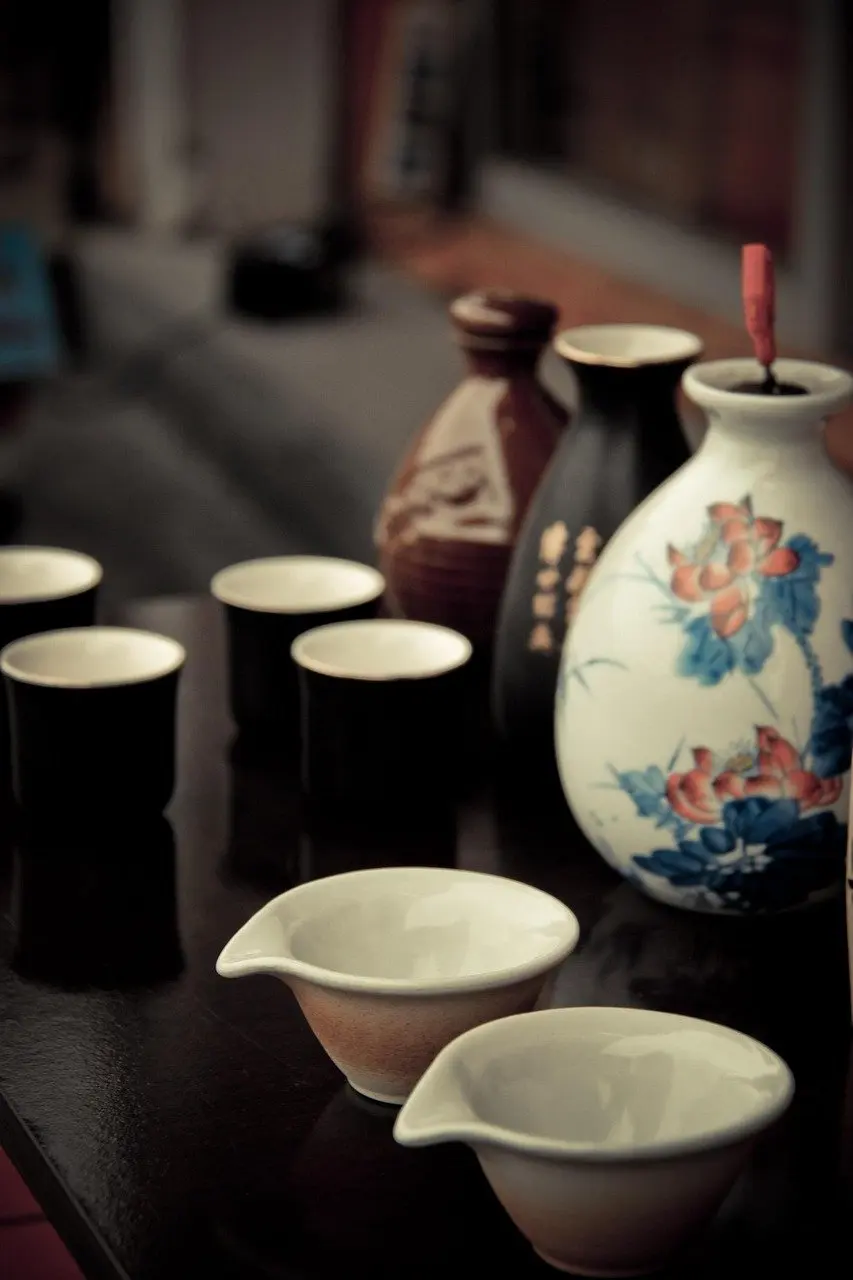
Bucchero is the distinctive black pottery of Etruria, and its shapes, such as the kantharos cup, went on to inspire Greek potters, as World History Encyclopedia notes. For a visitor, the colour is the quickest identifier. A black, burnished-looking vessel with a kantharos profile points to this tradition, while light-coloured painted ware belongs to a different one.
Bronze and other metals
Etruria was fortunate to have rich metal resources, especially copper, iron, lead and silver. Bronze was hammered, cut, and cast using moulds or the lost-wax technique. That range of methods explains why bronze work varies from flat cut pieces to fully modelled statuary. Readers interested in personal ornament made from metal and other materials can continue with the etruscan jewelry bologna guide.
Sculpture and funerary portraits
Bronze statuary
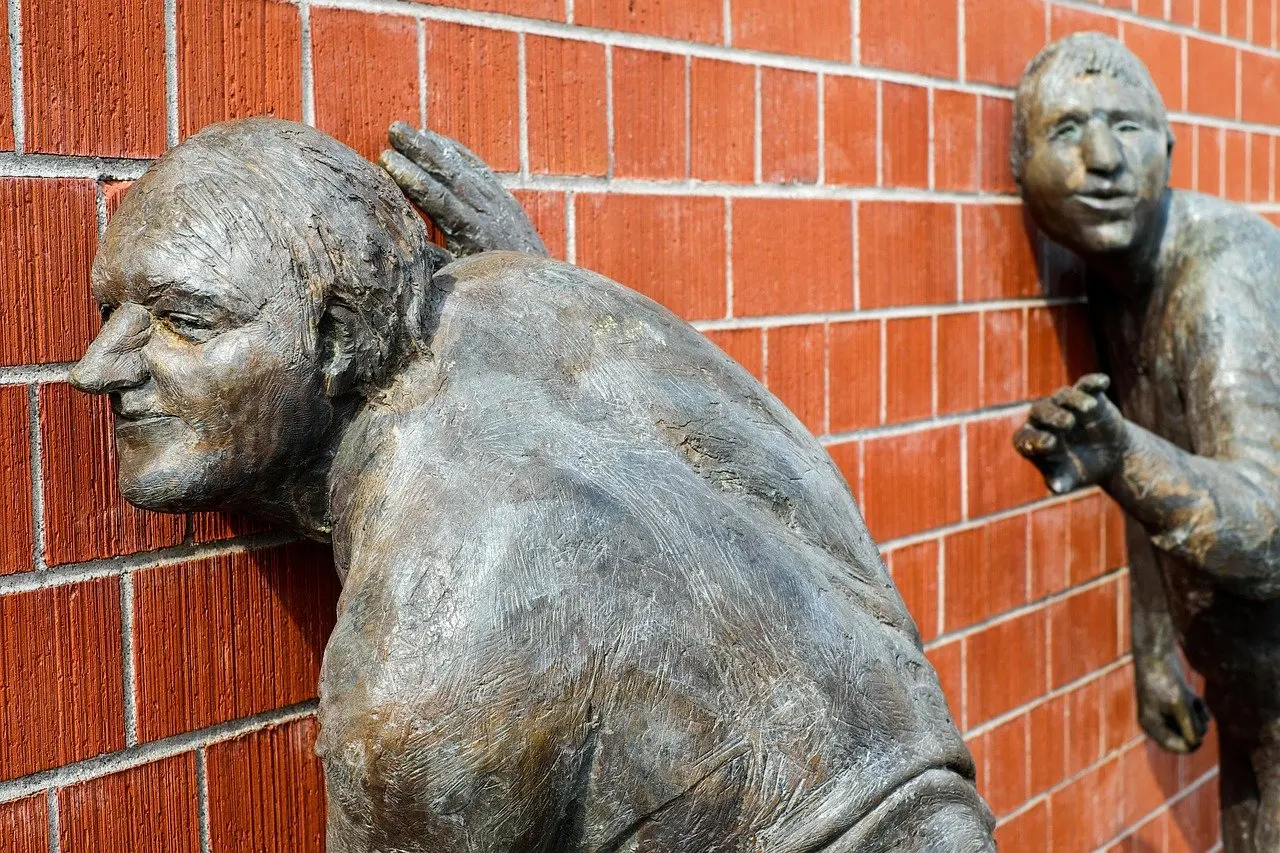
Bronze statuary carried much of the figurative tradition, and its scale can be judged from one episode. More than 2,000 bronze statues were looted when Volsinii was attacked in 264 BCE. The figure shows how many such works once existed and how few survive. The Chimera of Arezzo and the Portrait of a Bearded Man are among the survivors most often cited.
Terracotta sarcophagi
Terracotta sarcophagi, and coffin lids in particular, show the style’s human warmth. Reclining couples appear on the lids, and the affection between them is what the artist has captured. For this reason the lids are a good first stop for anyone wanting to understand how Etruscan artists treated the individual.
Tomb painting at Tarquinia and Vulci
Tarquinia tomb painting is the best-known part of the wall-painting tradition, and rarity is part of its value. Only 2% of tombs were painted, which is why the surviving chambers are described by World History Encyclopedia as a supreme example of Etruscan painting. The Francois Tomb at Vulci shows that the practice was not limited to Tarquinia.
The painters learned much about painting and fresco from the Greeks, as Maria Milani’s account of Etruscan frescoes puts it. A viewer comparing the earlier Tarquinia tombs with the Francois Tomb can see that change in modelling and shading.
Greek and Near Eastern influence
Etruscan art blended Eastern motifs and subjects with Greek ones and with the indigenous Villanovan tradition. Greek artists settled in Etruria from the 7th century BCE onwards, so Greek influence arrived through people as well as imported goods.
Access to the sea shaped how open a city was to new ideas. Coastal cities like Cerveteri, with greater access to sea trade, were more cosmopolitan in artistic outlook than inland centres such as Chiusi, according to World History Encyclopedia. The practical consequence is that Eastern and Greek features should be expected more strongly on the coast than inland.
Using the style as a guide to collections
With these features in mind, a museum label becomes easier to read: note the city, the date range and the material, then ask which influence is strongest. Visitors planning a route through local collections can follow the etruscan bologna itinerary and apply the same three questions at each stop.
Frequently asked questions
How does Etruscan art differ from Roman art?
Etruscan art came from independent city-states active between the 8th and 3rd century BCE, so it is regional and varied rather than the product of one state. Contact with Rome shows up mainly in loss, as when more than 2,000 bronze statues were looted at Volsinii in 264 BCE.
How were figures coloured in tomb painting?
According to a nineteenth-century account of Tarquinia, men are nearly always painted a darkish red and women paler. A similar use of colour appears on some sarcophagus lids at Cerveteri, as Maria Milani notes.
Where is the Mars of Todi today?
The Mars of Todi is now in the Vatican Museums in Rome, according to World History Encyclopedia.