
The Villa Cassarini necropolis Bologna record rests on an urgent 1973 excavation in the former villa’s grounds, which documented two Villanovan inhumation burials within a wider protohistoric settlement. Grave goods from one burial date no later than the mid-8th century BC.
The burials are one layer of a multi-period site, so they read best alongside the other Etruscan and pre-Etruscan evidence in the area. The guide to etruscan archaeological sites in emilia-romagna sets this site in that wider context.
Location and discovery of the site
The site lay in the grounds of the former Villa Cassarini in Bologna. A published study in the journal of the Istituto Italiano di Preistoria e Protostoria describes an urgent intervention carried out in 1973 in the ground of the ex Villa Cassarini. That makes 1973 the date of the modern investigation. The source frames it as an emergency excavation, not a planned research campaign.
The setting explains why people settled here. The settlement occupied the northern slope of the hill that forms the first foothill of the Apennines, and an ancient watercourse divided it. A slope above a stream gave a dry, defensible position with water close by. That is a reasonable reading of the geography, though the study itself records the layout, not the motives.
The dating of the discovery matters because the name invites confusion. Bologna’s best-known nineteenth-century cemetery finds belong to other sites. The Villa Cassarini work is a twentieth-century rescue excavation, and its results were published later as new findings on the settlement.
What the 1973 excavation recorded
The excavation recorded a long sequence of occupation, not a single cemetery. The study lists Bronze Age and early Iron Age structures, two Villanovan inhumation burials, the remains of an Etruscan sanctuary and a Roman water channel. The published analysis concentrates on the western part of the deposit.
| Evidence recorded | What it shows | Planning use |
|---|---|---|
| Bronze Age and early Iron Age structures, including sunken hut no. 1 in the Subapennine phase | Settlement on the slope before the Villanovan phase | Treat the site as a village first and a burial ground second |
| Villanovan occupation beginning in the 9th century BC | The start of the phase that includes the burials | Use as the outer date for the Villanovan period here |
| Two Villanovan inhumation burials | The funerary evidence the site is known for | Quote the count as documented burials, not as a cemetery total |
| Remains of an Etruscan sanctuary | Later, specifically Etruscan use of the ground | Distinguish Villanovan burials from later Etruscan cult remains |
| A Roman water channel | Continued use of the slope in the Roman period | Expect disturbance and reuse across periods |
The figures and the sequence above come from the published study of the Villa Cassarini settlement.
The practical lesson is to take the word necropolis cautiously. The documented funerary evidence amounts to two burials inside a settlement deposit. Anyone searching for rows of tombs will find a different kind of site. The value of Villa Cassarini lies in showing how burials, huts and later cult remains sat on the same hillside over many centuries.
The burials and grave goods
Two inhumations
Both burials were inhumations, meaning the body was buried unburnt. The study classifies both as Villanovan. The source gives no tomb architecture or full inventory, so claims of built tomb chambers would go beyond the evidence.
The burial with grave goods
Only one of the two burials had grave goods. It contained fibulae, the brooch-like clasps used to fasten clothing, which the study dates no later than the mid-8th century BC. That gives a firm upper limit for the burial, not an exact year. The burial may be older, and the fibulae fix only the latest plausible date.
The grave goods also tie the burial into the broader Villanovan sequence. Villanovan occupation at the site begins in the 9th century BC, so the dated burial falls within a phase that was already under way. The second burial had no goods, so it cannot be dated the same way from the published description.
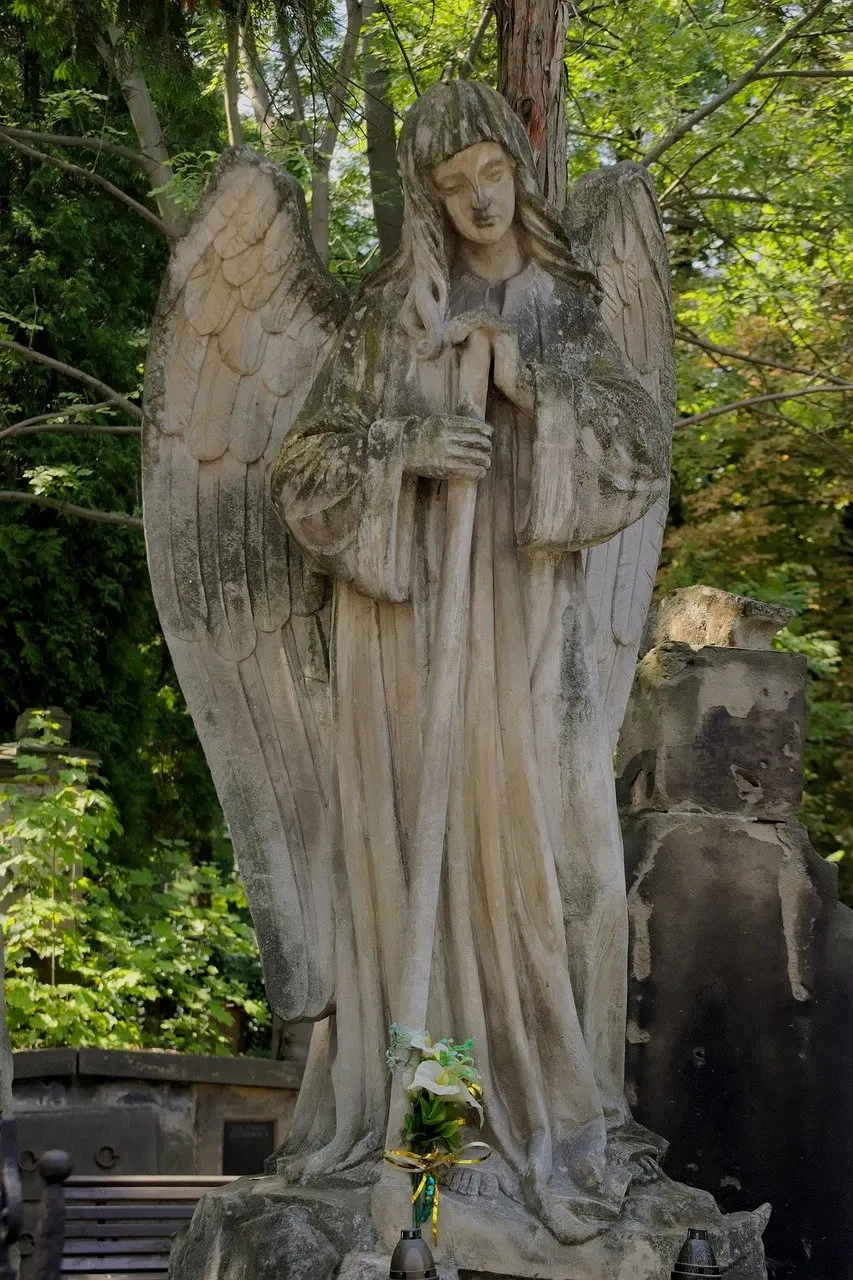
Markers of this kind are not documented for the two Villa Cassarini burials. The evidence is in the graves and what they held, so interpretation should rest on the fibulae and the stratigraphy, not on imagined monuments above ground.
Reading the finds today
The published results name the types of find, but not a museum or storage location for the Villa Cassarini material. The sensible next step for a reader wanting objects is to see Villanovan burial material from the same culture. The Emilia-Romagna tourism itinerary on archaeology in the Bologna plain points to MUV, the Villanovan museum at Castenaso, which holds the remains of a Villanovan necropolis. That is comparative material, not the Villa Cassarini finds themselves.
Because the site was excavated as an emergency job in a built-up area, there is no open archaeological park to visit. Readers should plan around museum collections and published studies instead of expecting a site walk.
How Villa Cassarini relates to other burial grounds
Villanovan culture is considered the initial phase of Etruscan civilization, which is why a Villanovan burial turns up in discussions of Etruscan tombs in Bologna. The label Etruscan applies to the later sanctuary remains in the strict sense. The two inhumations belong to the earlier phase.
The nearest comparison in the sources is the Villanovan discovery at Villanova di Castenaso. The Emilia-Romagna tourism itinerary reports that between 1853 and 1856 the archaeologist Giovanni Gozzadini discovered and identified the traces there. That earlier campaign gave the culture its name, while Villa Cassarini adds a settlement-based view from the 1973 rescue work.

For a burial ground studied as a cemetery, the guide to the certosa di bologna etruscan necropolis is the better comparison. For a planned settlement rather than a burial ground, the guide to the marzabotto etruscan city shows a different kind of Etruscan site. Villa Cassarini sits between them: a long-lived settlement slope with a few early burials.
Frequently asked questions
Was Villa Cassarini a cemetery or a settlement?
The published study treats it as a protohistoric settlement. Two Villanovan inhumations were found within it, so the funerary evidence is real but small.
How many tombs were documented?
Two inhumation burials are recorded, and only one contained grave goods. No built tomb structures are described.
When were the burials made?
The burial with grave goods contained fibulae dated no later than the mid-8th century BC. Villanovan occupation of the site began in the 9th century BC.
Where can Villanovan burial remains be seen near Bologna?
MUV at Castenaso displays the remains of a Villanovan necropolis, according to the Emilia-Romagna tourism itinerary. It is a nearby comparison, not the Villa Cassarini material.