
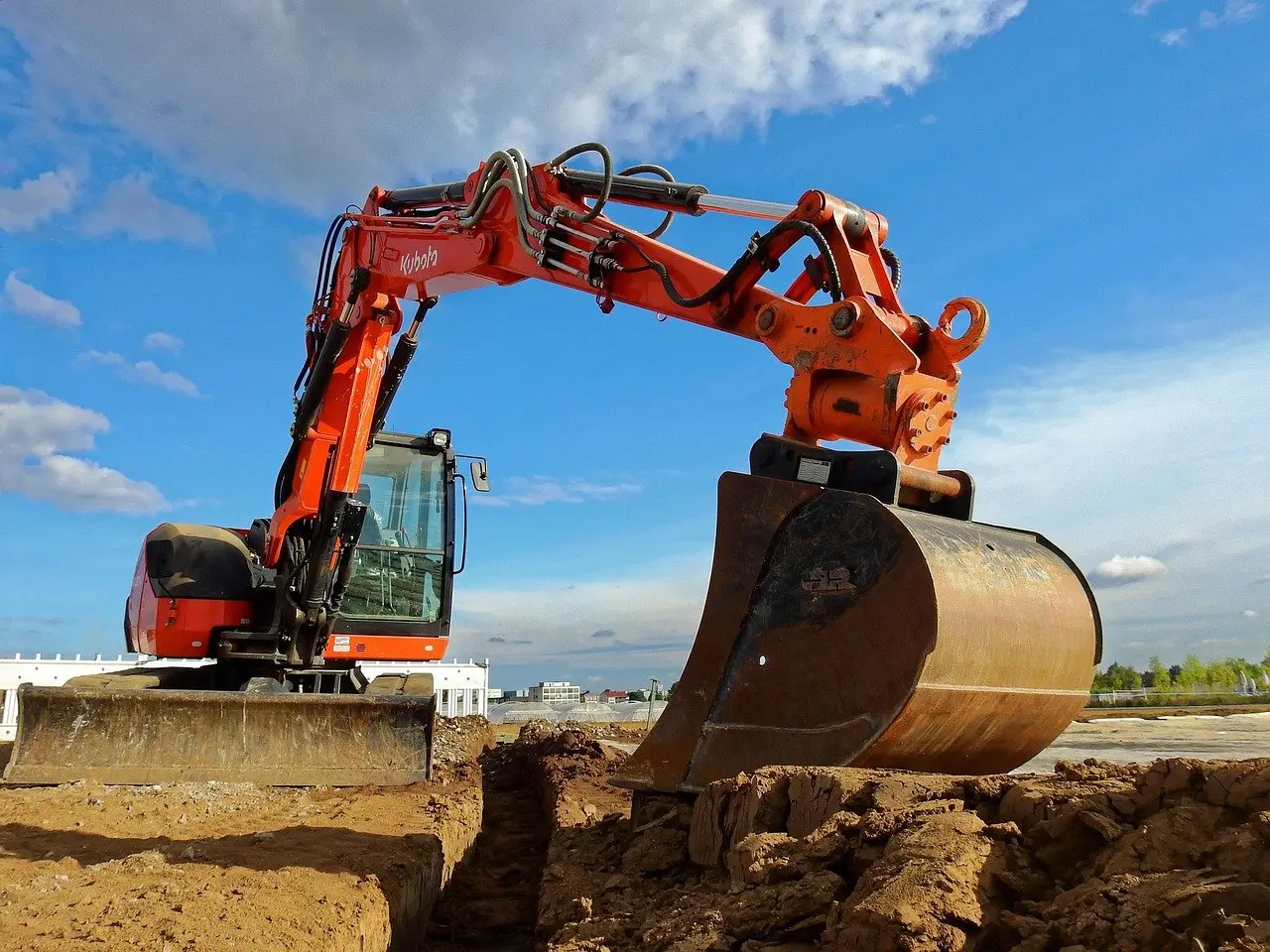
Understanding how archaeologists excavate Etruscan tombs starts with one rule: the soil is removed layer by layer, each step is recorded, and fragile finds are lifted only after they are documented.
Picture a trench in a riverside cemetery where a vessel edge shows through the soil. The instinct is to pull it out, but the record around it is worth as much as the object. The wider picture of cemeteries and digs is covered in etruscan archaeological sites in emilia-romagna, and this guide follows the sequence of a single tomb from the first layer to the dating of the grave.
Misunderstandings about digging a tomb
Excavating a tomb is a reading exercise before it is a digging one. The reasoning behind that comes from how a well-documented northern Italian necropolis has been studied. The Trento Santa Croce cemetery is a useful case. Its excavators used micro-excavation of the tomb structures to reconstruct the complexity of the funerary ritual, according to a Jerusalem Post report on the Trento necropolis. The method, not the haul of objects, produced that result.
Trento lies outside the Bologna area, so it serves here as a method example rather than a local case. Four common assumptions show where popular ideas of tomb excavation and actual practice part ways.
| Common assumption | What the record shows | Planning use |
|---|---|---|
| Excavation means digging out the objects | Micro-excavation of the tomb structures allowed the funerary ritual to be reconstructed in its complexity | Budget time for slow, structure-by-structure work rather than quick clearance |
| Floods wipe out a cemetery | The Trento necropolis sat in a marginal riverbed area subject to periodic flooding, and flood episodes allowed exceptional preservation of the funerary context | Do not write off a floodplain site; its sealed layers can be the best-preserved part |
| Grave goods are simply treasure | Objects serve as indicators of the social identity and status of the deceased | Read each object together with its position and the burial it accompanies |
| A cemetery belongs to a single moment | Multiple phases of occupation were documented in the early Iron Age, and the necropolis dates from the 9th to the 6th century BCE | Expect several phases and separate them before interpreting any one burial |
The figures and findings in the table come from the Jerusalem Post account of the Trento Santa Croce excavation.
Permission and oversight by the Soprintendenza
A tomb is not opened on a whim, and the Soprintendenza is the body that gives the work its official frame. At Trento the cemetery was handled under the Archaeological Heritage Office of the UMSt Superintendence for Cultural Heritage and Activities, as the same report notes. In Italian usage a body of this kind is the Soprintendenza, and its role is to oversee archaeological heritage.
The practical meaning is that excavation is a supervised, documented activity. Finds and records belong to a heritage framework, not to the diggers. This is also why the paperwork described below is not optional extra effort. It is the lasting product of a dig that, by its nature, cannot be repeated.
Stratigraphy: reading the layers first
Stratigraphy is the order in which layers of soil and deposits built up, and it is the backbone of tomb excavation. Later layers lie above earlier ones, so removing them in reverse order of formation lets the team reconstruct events in the right sequence. Cutting down through a burial without respecting the layers destroys exactly the information that dates it.
The Trento case shows why this matters. The necropolis lay in a periodically flooded riverbed margin, and the flood episodes sealed the funerary context so well that it survived in exceptional condition. Sediments laid down by water can therefore act as natural evidence of what happened before and after a burial. Several occupation phases from the early Iron Age were documented there, and separating them depends on stratigraphic order.

In practice the team works in a set routine:
- Clean the surface. Trowels and brushes reveal changes in soil colour and texture, which mark where one deposit ends and another begins.
- Define the grave cut. The edge of the pit dug for the burial is traced before the fill is removed, so later disturbance is not mistaken for the original deposit.
- Remove the fill in reverse order. The most recent deposit comes out first, and finds are kept with the layer they came from.
- Stop at each change. Every new layer or feature is recorded before the dig continues beneath it.
Recording layers and burials
Recording turns the destructive act of excavation into a permanent record. Every layer, structure and burial receives its own identifier, and its relationships with neighbouring layers are written down. Over 200 tombs have been documented so far at the Trento necropolis, which shows how a cemetery grows into a database of individually numbered graves.

Standard recording stages
Teams generally follow the same sequence on each grave, although forms and terminology differ between projects and institutions:
- Describe the context. A written entry gives the layer or feature number, its soil description and its relationship to the layers above and below.
- Photograph before and after. Each stage of exposure is photographed with a scale and a north arrow.
- Draw plans and sections. A plan shows the burial from above, and a section shows the layers in profile.
- Log the finds. Each object receives a number linked to the context in which it lay.
- Remove and bag. Only after the earlier stages are complete is material lifted and packed.
Documentation forms in practice
The typical paper or digital set includes context sheets, a burial or skeleton sheet where human remains are present, a finds register, a photograph log and a drawing register. Their value lies in the cross-references. A drawing number points to a context sheet, which points to a finds list, so any object can be traced back to its exact position.
Measuring position
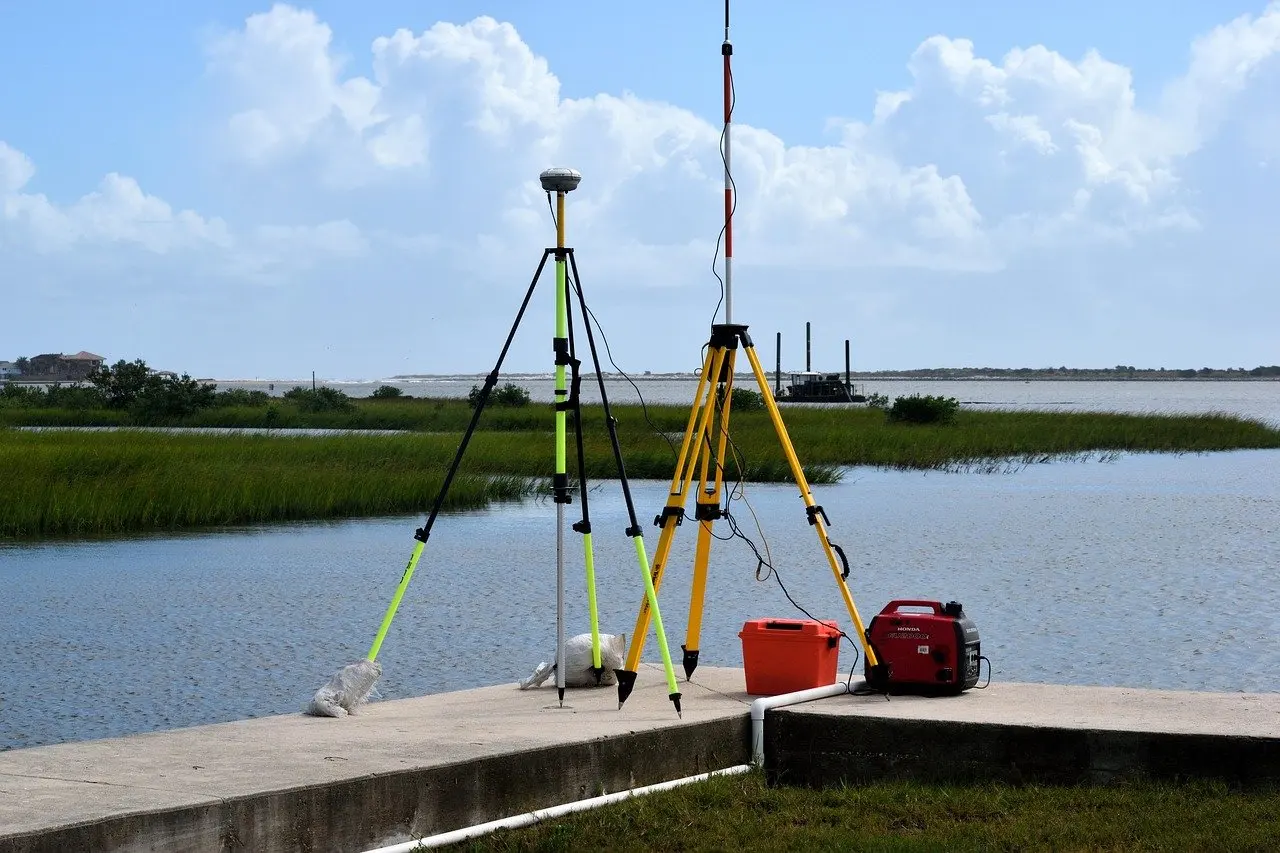
Surveying instruments fix a grave, its stele or its goods to a coordinate system so that every tomb sits correctly on the cemetery plan. Over a cemetery with many graves, shared coordinates are what allow rows, clusters and overlaps to be seen at all.
Cremations, cinerary urns and micro-excavation
A cinerary urn holds the ashes and bone fragments of a cremation, so it is excavated as a small context in its own right. At Trento, the restoration of fragile ossuary vessels used micro-excavation techniques, as the report on the necropolis states. The same principle applies to any urn found in the ground: its contents are treated as evidence, not as fill.
The usual sequence runs as follows:
- Expose, do not lift. The urn and its surroundings are cleaned and recorded in position first, including any lid, cover or stone setting.
- Excavate the contents in small steps. The interior is emptied in thin increments rather than poured out, so bone, ash and small objects keep their relative positions.
- Support before moving. A fragile vessel is stabilised before it is lifted, and in some cases is lifted with its contents so the micro-excavation can continue under laboratory conditions.
- Bag and label by context. Each portion of the fill is packed separately with its context number.
Choosing between excavating in the field and lifting the whole urn depends on how fragile it is. A sound vessel in stable ground can be emptied on site, while a cracked or crushed one is better taken intact. How such burials fit into wider funerary custom is set out in the guide to etruscan burial practices bologna.
Grave goods and processing the finds
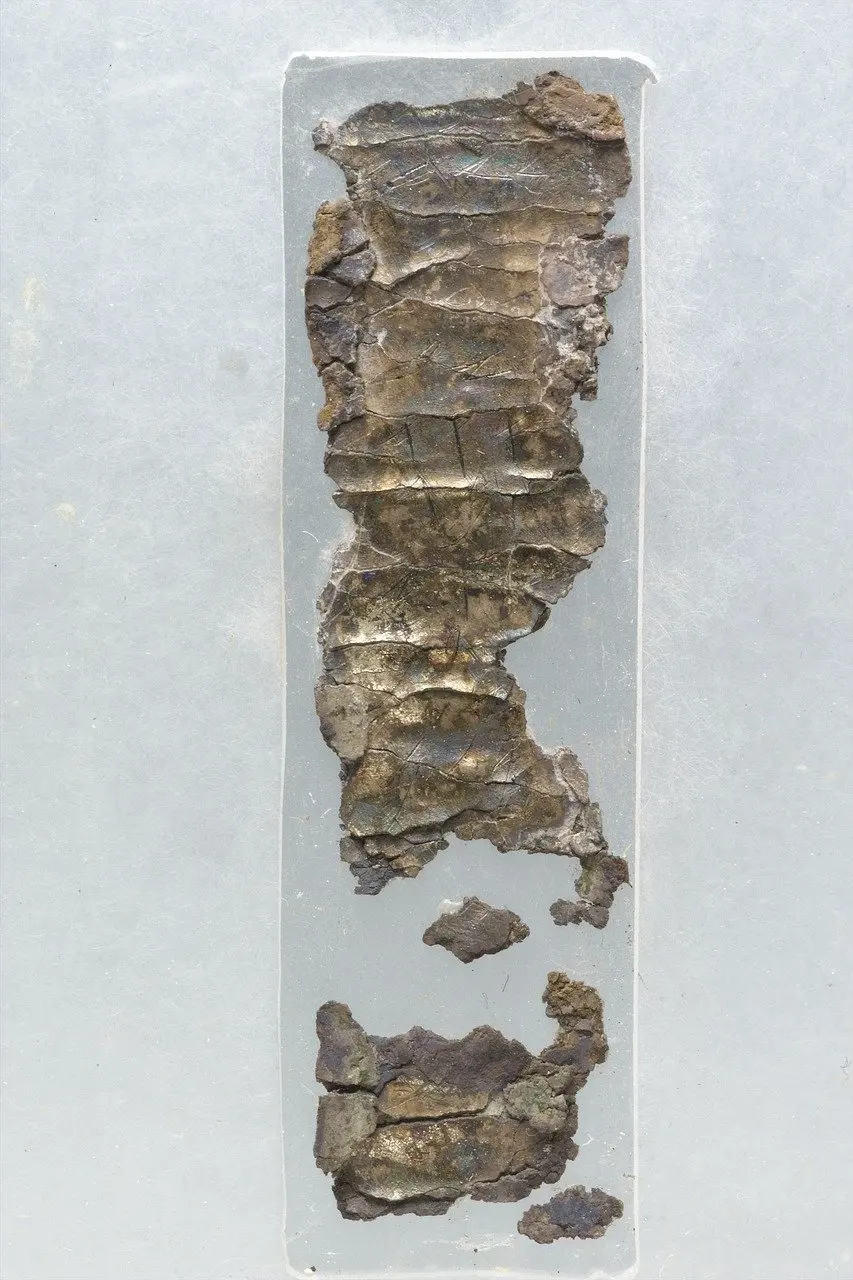
Grave goods are the objects placed with the dead, and excavators record them as part of the burial rather than as a separate collection. The Trento tombs yielded metal artefacts such as weapons and elaborate ornamental objects, including pieces with amber and glass paste inlays. Because such objects serve as indicators of the social identity and status of the deceased, their exact position in the grave is as informative as the objects themselves.
Fieldwork ends with the finds leaving the trench. Back at the base they are washed or dry-cleaned as the material allows, labelled with the context number, and stored in trays. Corroded metal is a particular case, since it may need conservation treatment before it can be studied or drawn.
Dating a tomb
A tomb is dated in two stages, relative and absolute. Stratigraphy gives the relative order: which graves cut or overlie others, and which phase a burial belongs to. Objects found with the burial then place it against known sequences of types.
For a cemetery as a whole, the result is a date range rather than a single year. The Trento necropolis, for example, is dated from the 9th to the 6th century BCE. Scientific methods such as radiocarbon dating of suitable organic samples can add absolute dates where such material survives, but they work best when the sample’s context is already secure, which brings the process back to careful recording.
The same logic applies elsewhere. A single grave seldom stands alone, and its meaning depends on the cemetery and settlement around it. For the settlement side of the picture, etruscan urban planning marzabotto shows how a planned Etruscan town relates to the world of its dead.
Frequently asked questions
| Question | Answer |
|---|---|
| Were tombs marked above ground? | At the Trento Santa Croce necropolis the principal tombs were marked by funerary stelae up to 2.40 meters high, according to the Jerusalem Post report. Markers like these are recorded alongside the graves they relate to. |
| Why record a tomb if the excavation removes it? | Excavation is destructive, so the plans, photographs and sheets become the lasting evidence. Without them, the position of the burial and its goods could not be reconstructed later. |
| Why use a Trento necropolis to explain Bologna methods? | The same excavation principles apply to northern Italian cemeteries, and the report notes contacts with the area of Emilia in particular between 900-700 BCE. Trento is a method example, not a Bologna site. |
| Do grave goods identify who was buried? | They indicate social identity and status of the deceased, not a name. Their meaning depends on being recorded in position within the burial. |