
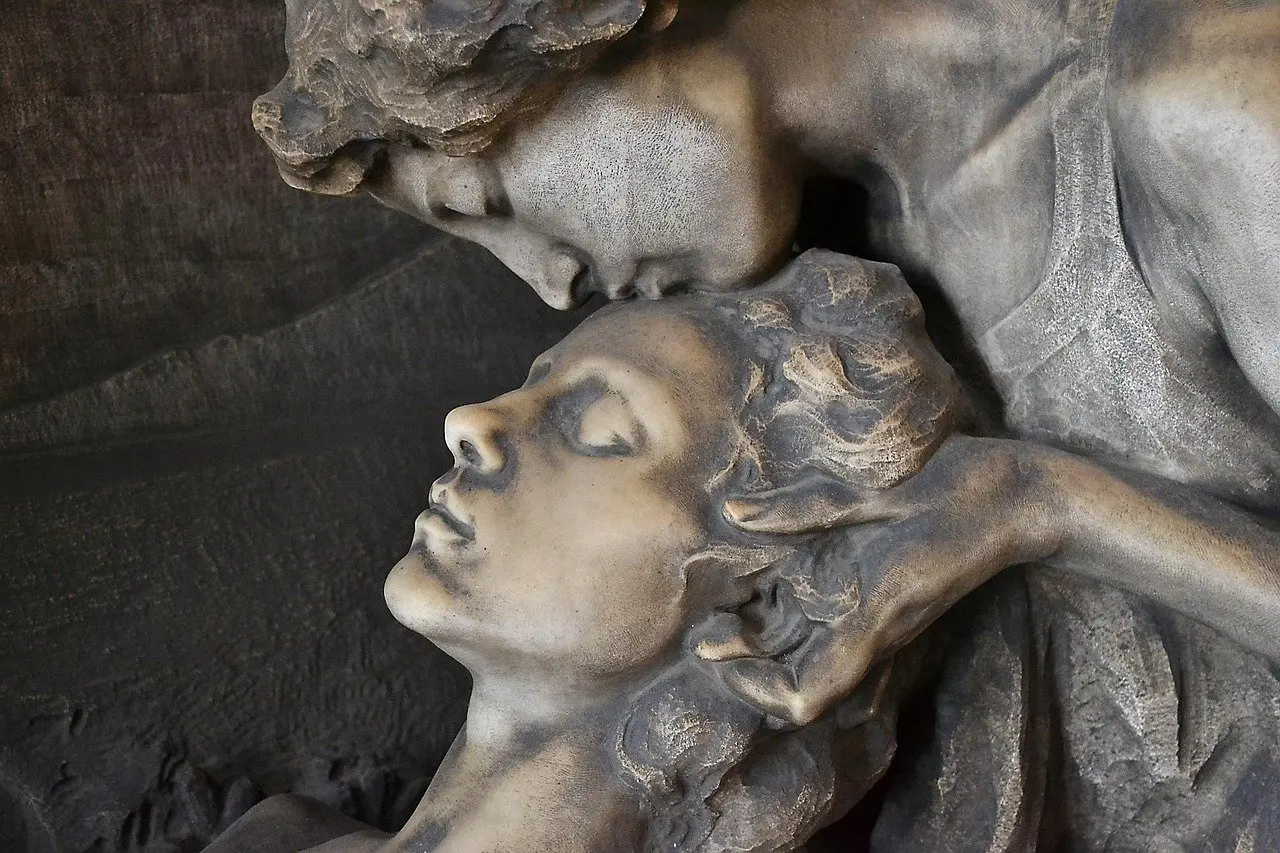
Short on time? Etruscan masterpieces Bologna museum visitors should see first: the Certosa situla, then engraved mirrors, painted vases, funerary stelae, ornaments and bucchero.
This shortlist belongs to the wider guide to the etruscan museum bologna collection. It gives a route through the highlights rather than a full catalogue. Entry planning is covered in museo civico archeologico bologna orari e biglietti.
How the shortlist is ordered
The order rewards a short visit. Each category earns its place by being recognisable, by showing something at a glance, and by representing a different material or craft. A visitor who sees the situla, a mirror, a vase, a stele, an ornament and a bucchero vessel has covered metalwork, ceramics, sculpture and adornment without trying to read every case.
The same collection sits behind several Italian and English searches. Someone looking for reperti etruschi Bologna, oggetti etruschi museo Bologna or famous Etruscan artifacts in Bologna is after the finds and objects described below. Labels in the galleries should always overrule any shortlist, because the objects on display and their positions are decided by the museum.
Certosa situla: the opening highlight
The Certosa situla is the best-known Etruscan object associated with the Bologna museum, which makes it the natural first stop. Seeing it first secures the headline piece before attention fades, and it sets a standard for how much detail to expect from the rest of the route.
It suits every kind of visitor, including those who only have time for a single object. Its limitation is its fame: it can draw a crowd around its case, so a visitor who wants a close look is better served by returning to it at the end of the route than by lingering on the first pass.
Engraved bronze mirrors
A bronze mirror with an engraved scene is the best choice for visitors who prefer drawing to sculpture. The engraving turns a practical object into a small picture, so it rewards slow looking more than any other category on this list.
Who it suits
Mirrors suit visitors interested in how Etruscan craftsmen handled narrative scenes. They also suit anyone who finds large objects tiring, since a mirror can be understood in moments.
Limits
Engraved lines on metal are hard to read in low gallery light. Move around the case rather than standing square on, and use the object label to identify what the scene shows instead of guessing from a distance.
Painted vases from Bologna tombs
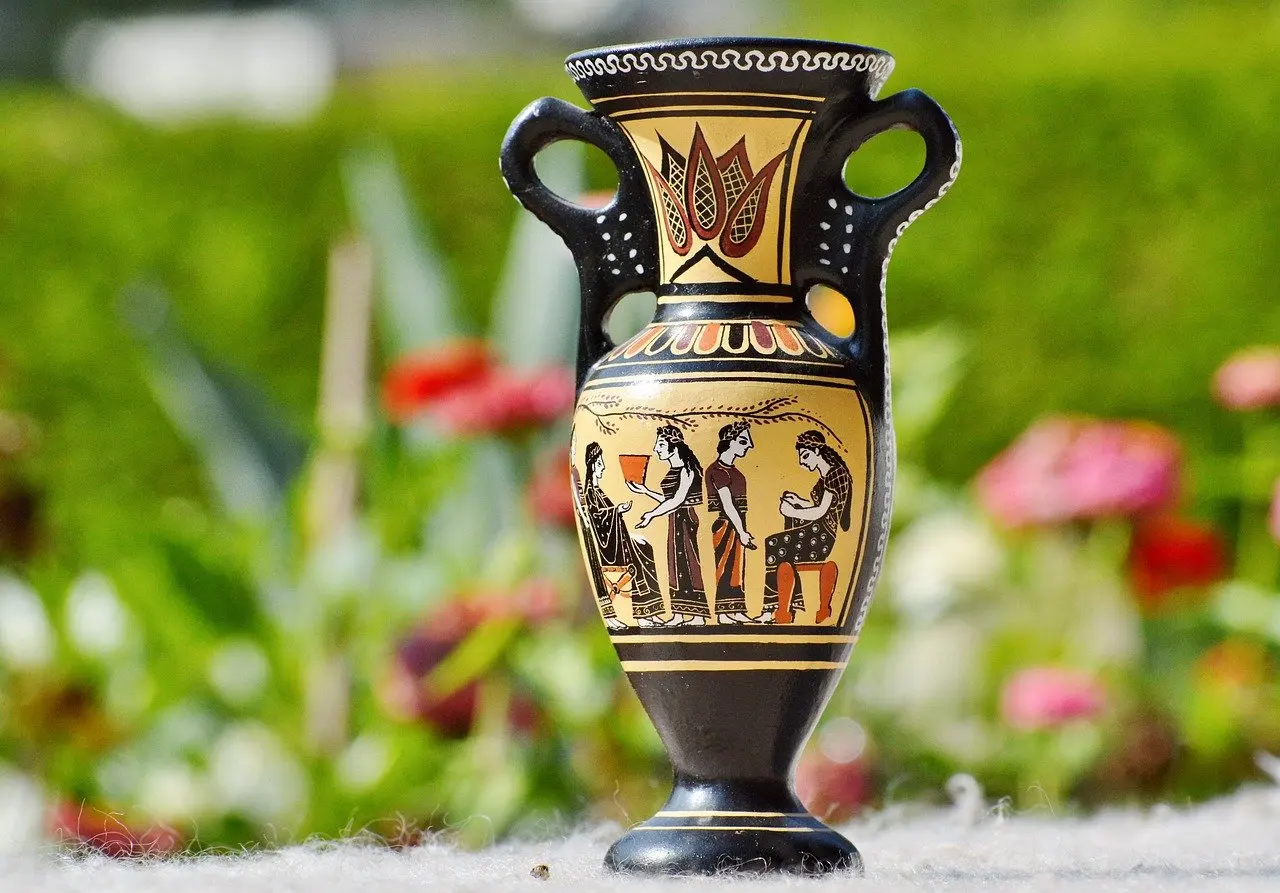
Painted vases from Bologna tombs are the category that most clearly connects the objects to burial practice, because they were found in graves. They suit visitors who want to understand how people were remembered, not only how objects were made.

What to look for
Compare the shape of the vessel with the painted decoration. A good vase works as both form and surface, and the label will tell you where in the cemetery it was found.

Who should skip ahead
Ceramics are numerous, and one case after another can blur together. Choose a single strong example, read its label fully, and move on instead of trying to compare every vessel.
Funerary stelae from Felsina
A carved funerary stele from Felsina, the Etruscan city beneath modern Bologna, is the sculpture stop on the route. It suits visitors who want to see how the city’s dead were marked in stone, and it offers a break from the small, detailed objects that dominate the other categories.
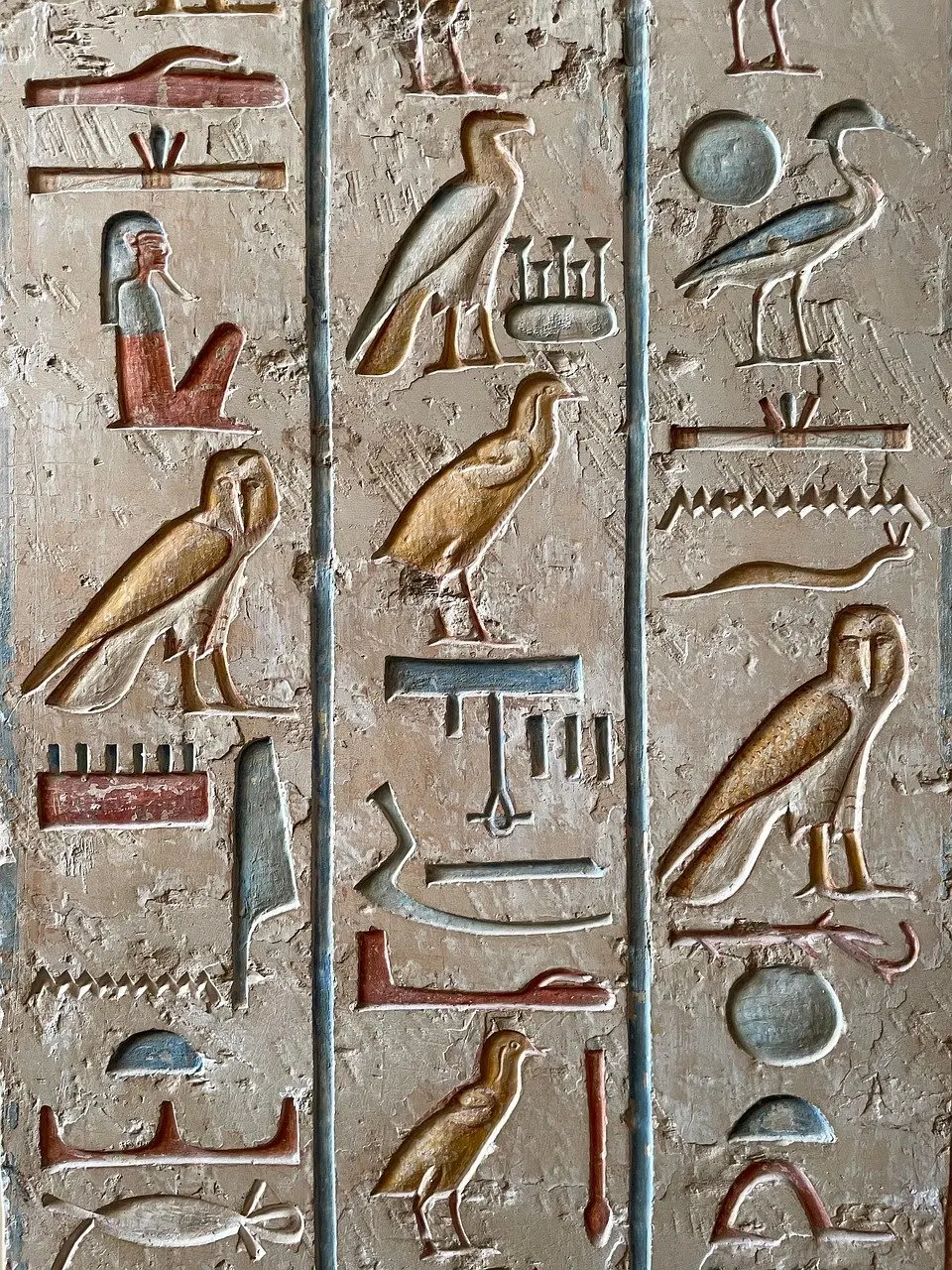
Relief carving is best judged from the side, where raised and recessed areas show up. Stone surfaces also wear, so expect some details to be faint and rely on the label for the scene being described.
Ornaments from Bologna graves
Gold or amber ornaments from a Bologna tomb are the smallest objects on the list and the easiest to miss. They suit visitors interested in personal display and the materials people chose to be buried with.
Because the pieces are small, a quick walk past the case tells you little. Stop for a moment, look at the material first and the workmanship second, and then continue. Visitors with limited energy can treat this stop as optional, since it adds material variety rather than a new story.
Bucchero: the characteristic Etruscan ware
Bucchero, a vessel with a dark polished surface, is the characteristic Etruscan ware on this list, and it suits visitors who want to recognise Etruscan pottery elsewhere. Its appeal is surface and shape rather than painted scenes, so it contrasts usefully with the vases above.

Dark polished ware can look uniform from a distance. Look at how light moves across the surface and at the outline of the vessel, since these are the qualities that set it apart from painted pottery. The limitation is plain: a visitor expecting colour or narrative will find it less immediately striking than a mirror or a painted vase.
Extending the route: Pompeo Aria museum in Marzabotto
Visitors who want more than the city collection can continue to the Etruscan Museum “Pompeo Aria” in Marzabotto. According to the Città metropolitana di Bologna museum page, it stands on the edge of the extensive archaeological area of the remains of the Etruscan city of Kainua. It suits those who want to connect objects with an Etruscan settlement site.
| Detail | Value | Planning use |
|---|---|---|
| Address | Via Porrettana Sud 13, 40043 Marzabotto | Plan this as a separate trip from the city centre. |
| Opening hours | Thursday to Sunday 9.15am-4.30pm; Monday closed; Tuesday and Wednesday closed except groups by reservation | Individual visitors should aim for Thursday to Sunday. |
| Room IV | Devoted to the archaeological sites of the Reno valley | Choose this room for finds from the wider valley rather than Bologna alone. |
These details come from the Appennino bolognese museum listing for the Pompeo Aria museum.
Anyone interested in the culture that preceded the Etruscan displays can read about villanoviani bologna museo material before choosing how to split time between the two museums.
Route checklist
- Start with the situla. Secure the best-known object before anything else, then plan to return if the case was crowded.
- Pick a favourite material. Choose metalwork, ceramics or sculpture and spend your longest looking time there.
- Sample the rest. Give the remaining categories a brief look and read the label rather than the whole case.
- Keep Marzabotto separate. Treat the Pompeo Aria museum as its own outing, timed for Thursday to Sunday.
- Trust the labels. If an object has moved or is not on show, take the nearest equivalent from the same category.
Frequently asked questions
Which Etruscan object should I see first in the Bologna museum?
Begin with the Certosa situla, the best-known object, and use the other categories as a flexible route afterwards.
Are the photographs in this list pictures of the museum objects?
No. The images are generic illustrations of each object category, and their captions say so. They do not show the Etruscan pieces held in Bologna.
Are Etruscan finds near Bologna only in the city museum?
No. The Pompeo Aria museum in Marzabotto sits beside the remains of the Etruscan city of Kainua, and its Room IV covers archaeological sites of the Reno valley.