
A visitor sees an urn in one case and a stone bed in another and assumes two separate peoples. In etruscan burial practices Bologna included, urns, bodies and offerings are best read together, as objects within one funerary context.
The objects below come from Etruscan finds in central Italy and from the Chiusi area. They are used as a comparison of rites, not as a catalogue of Bologna’s cemeteries. For the wider regional picture, see etruscan archaeological sites in emilia-romagna.
Common misunderstandings about Etruscan burial
Three assumptions cause most confusion: that cremation and inhumation never meet, that intact tombs are normal, and that one rich object explains a person’s rank. The evidence argues against all three.
| Common assumption | What the objects show | Planning use |
|---|---|---|
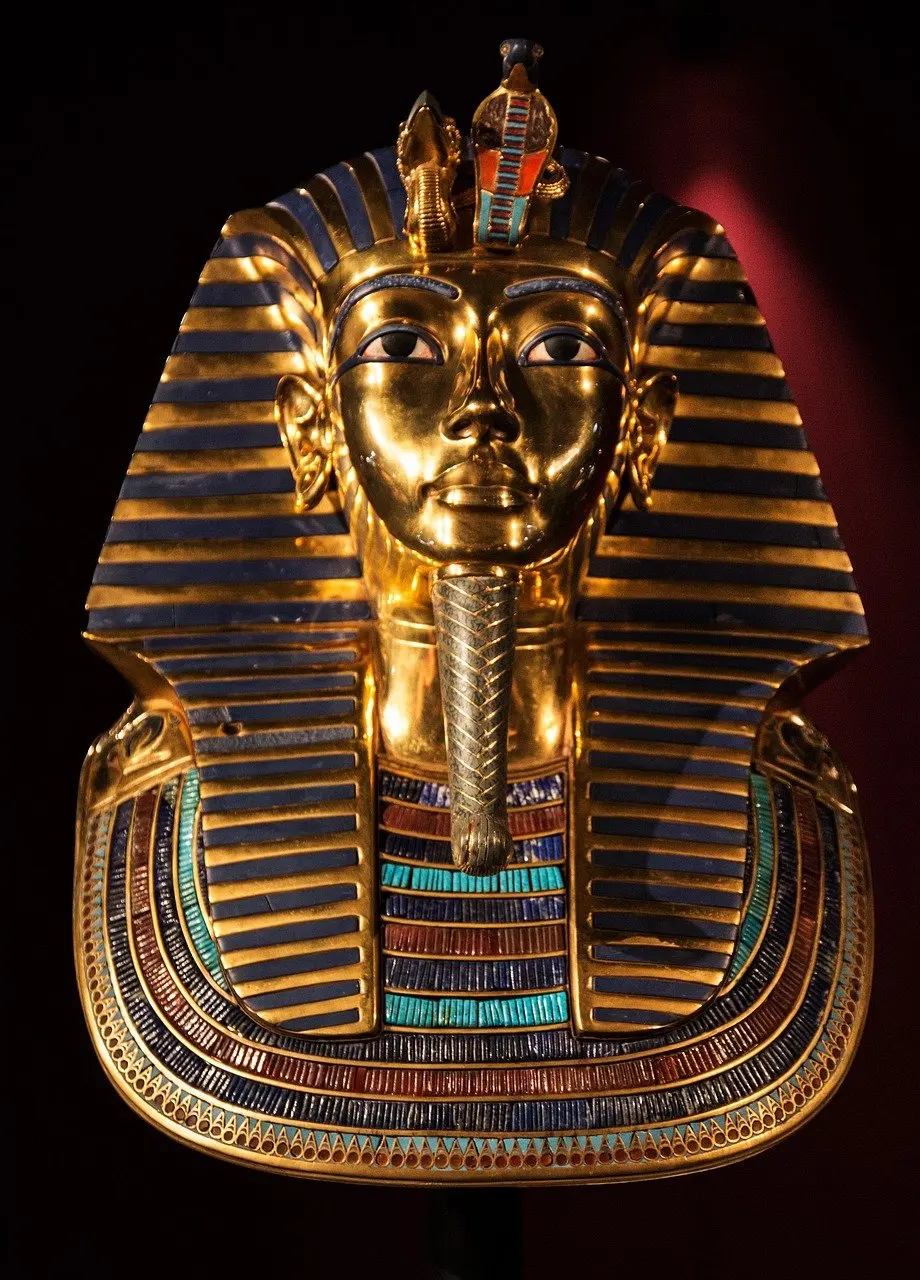
| Cremation and inhumation belong to cleanly separate eras | A Chiusi-area hypogeum yielded eight lithic urns and two sarcophagi within a single funerary context | Compare containers within a tomb before assigning a rite to a period |
| Intact tombs are the usual find | Intact tombs from the 7th century BCE are uncommon because many burial sites were looted | Treat any sealed tomb as an exceptional record, not a typical sample |
| A single object reveals status | A sealed context preserves the original placement of remains and objects, so the group matters more than the piece | Read goods as a set, in their original positions |
The figures come from reporting on the Chiusi-area hypogeum discovery and on the intact tomb near San Giuliano.
Cinerary urns and the cremation tradition
A cinerary urn holds the ashes of a cremated person. It is the defining container of the cremation rite, and in Bologna the Villanovan cremation urns are the starting point for any comparison.
Urns were not confined to early pottery forms. The Chiusi-area tomb, dated to the Hellenistic period of the 3rd century BC, produced urns made of white Umbrian travertine, all of them intact. That shows the urn as a container that could be carved from stone, not only shaped in clay. Readers who want the cemetery setting for Bologna’s own urns can follow the certosa di bologna etruscan necropolis guide.
When comparing urns, look at material and context before looking at decoration. A stone urn kept in a family chamber says something different from a vessel set singly in the ground, because the chamber implies a group that returned to the same place.
Inhumation: stone beds and sarcophagi
Inhumation placed the body itself in the tomb. The tomb near San Giuliano, sealed for roughly 2,600 years and dated to the 7th century BCE, held four interred individuals on carved stone beds.
Chiusi’s later hypogeum offers the other end of the comparison. Two sarcophagi stood in the same funerary context as the eight urns, so the family used both ways of housing the dead. Two rites in one tomb is a stronger sign of choice and family practice than of a clean replacement of one rite by another.
Stelae and markers above the grave
Urns, beds and sarcophagi sit inside a tomb, while a stele stands where the living can see it. Etruscan stelae in Bologna are carved funerary markers, and they belong to the part of the record that survives above ground rather than in a sealed chamber.
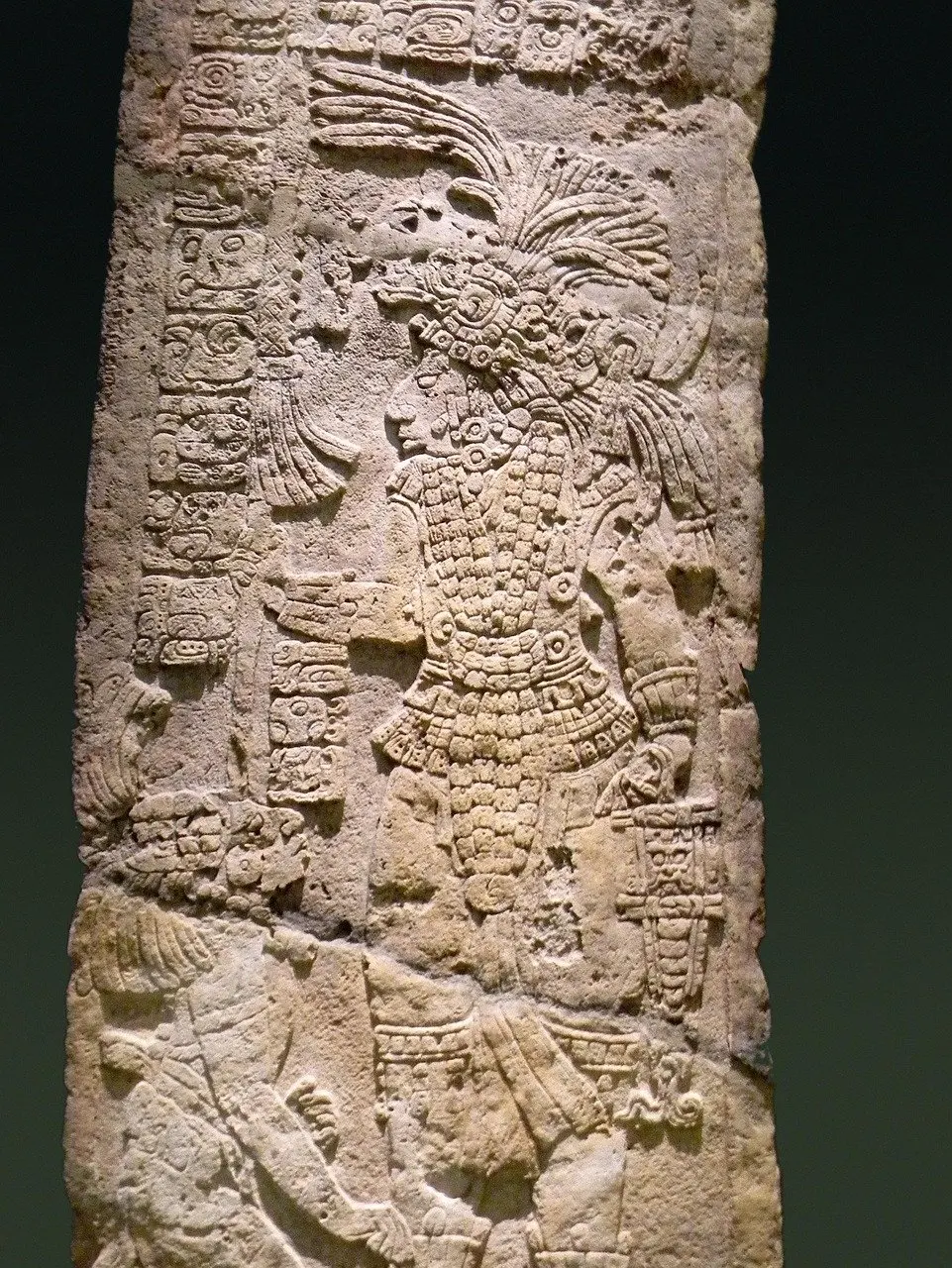
Because a marker is separated from the body and its goods, it cannot show how the dead were laid out. Pair it with the burial beneath it when both survive, and do not infer a rite from the marker alone.
Grave goods and what they say about status
Grave goods are the objects deposited with the dead as part of funerary rites. In the San Giuliano tomb they numbered more than 100 artifacts, including iron weapons and bronze jewelry and fibulae, according to InItaly’s report.
The question of status is answered by the combination, not by a single piece. Four people shared the San Giuliano chamber, so the goods describe a group.
- Weapons and jewelry: iron weapons and bronze jewelry with fibulae appear together in the 7th century BCE chamber, so both belong in any reading of that burial’s identity.
- Quantity: a count above 100 artifacts is a record of what was deposited, not a ranking, and it only means something when compared against tombs from the same period.
- Placement: the original positions of remains and objects survive only in a sealed context, and that is where status claims are safest.
- Looted sites: where a tomb was looted, status arguments rest on fragments and should stay cautious.
Grave goods by period at a glance
| Period | Context | Objects recorded | Planning use |
|---|---|---|---|
| 7th century BCE | Sealed tomb near San Giuliano, about 2,600 years old | Four individuals on carved stone beds; more than 100 artifacts; iron weapons; bronze jewelry and fibulae | Use as a benchmark for an inhumation chamber with personal and martial goods |
| 3rd century BC, Hellenistic | Hypogeum in the Chiusi area | Eight lithic urns of white Umbrian travertine; two sarcophagi | Use as a benchmark for family tombs mixing urns and sarcophagi |
The comparison draws on the San Giuliano report and the Chiusi-area report.
Neither find is from a Bologna cemetery, so use the table to compare object types and contexts, not to date Bologna’s own graves. Each period shows a different dominant object: personal metalwork in the earlier chamber, carved stone containers in the later one.
Reading finds in museum cases
A museum case separates objects from the ground that held them. Once that happens, the placement that a sealed context preserves is recorded only in excavation documentation.
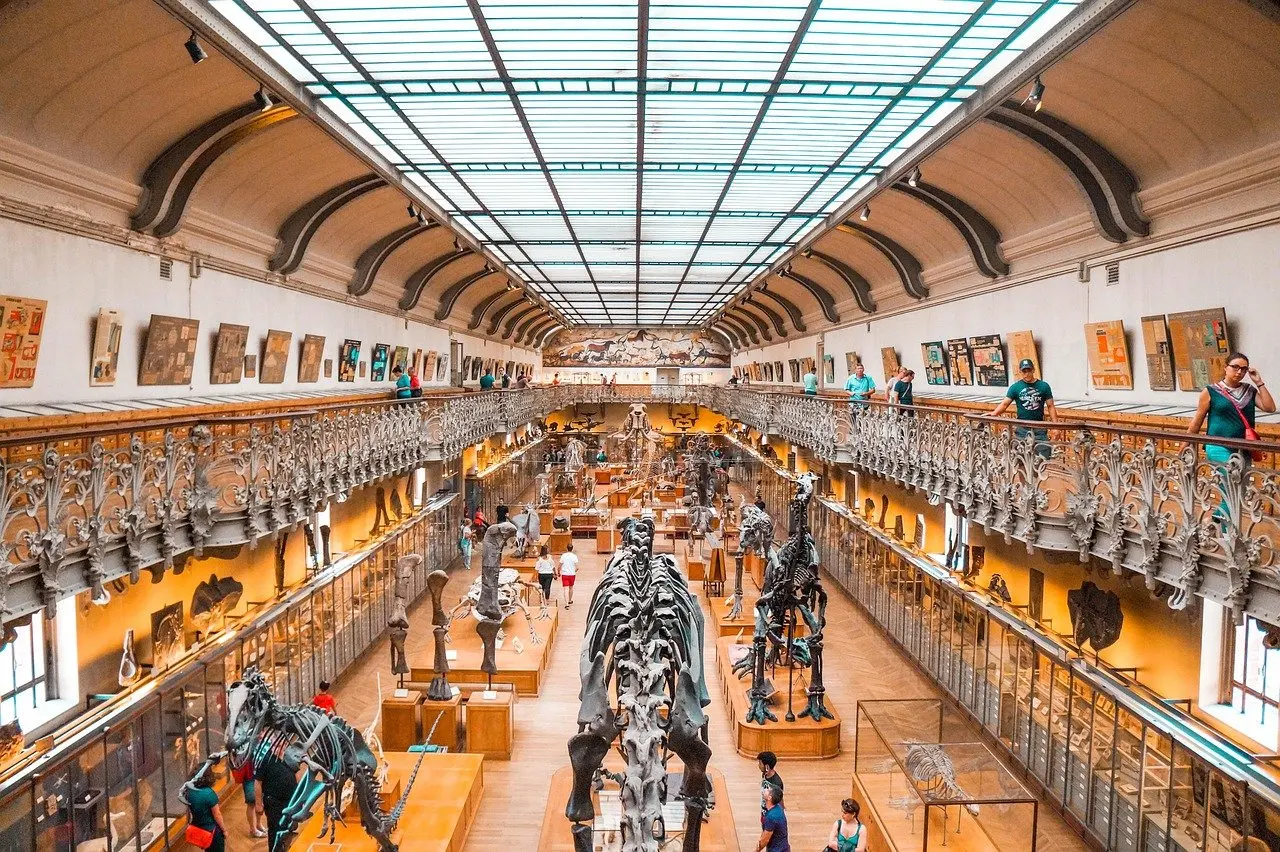
That is why the excavation record matters as much as the object. The way teams lift and document a tomb is explained in how archaeologists excavate etruscan tombs. When looking at an urn, a fibula or a blade in a gallery, ask what group it belonged to and what stood beside it, since the label alone seldom answers that.
Frequently asked questions
| Question | Answer |
|---|---|
| How common are intact Etruscan tombs? | They are uncommon, because many burial sites were looted over time. |
| What is a cinerary urn? | A cinerary urn is the container for the ashes of a cremated person. Chiusi-area examples were carved from white Umbrian travertine. |
| What accompanied the dead at San Giuliano? | More than 100 artifacts, including iron weapons and bronze jewelry and fibulae, lay with four individuals on carved stone beds. |
| Did one family use only one rite? | Not necessarily. The Chiusi-area hypogeum contained both lithic urns and sarcophagi in a single funerary context. |