
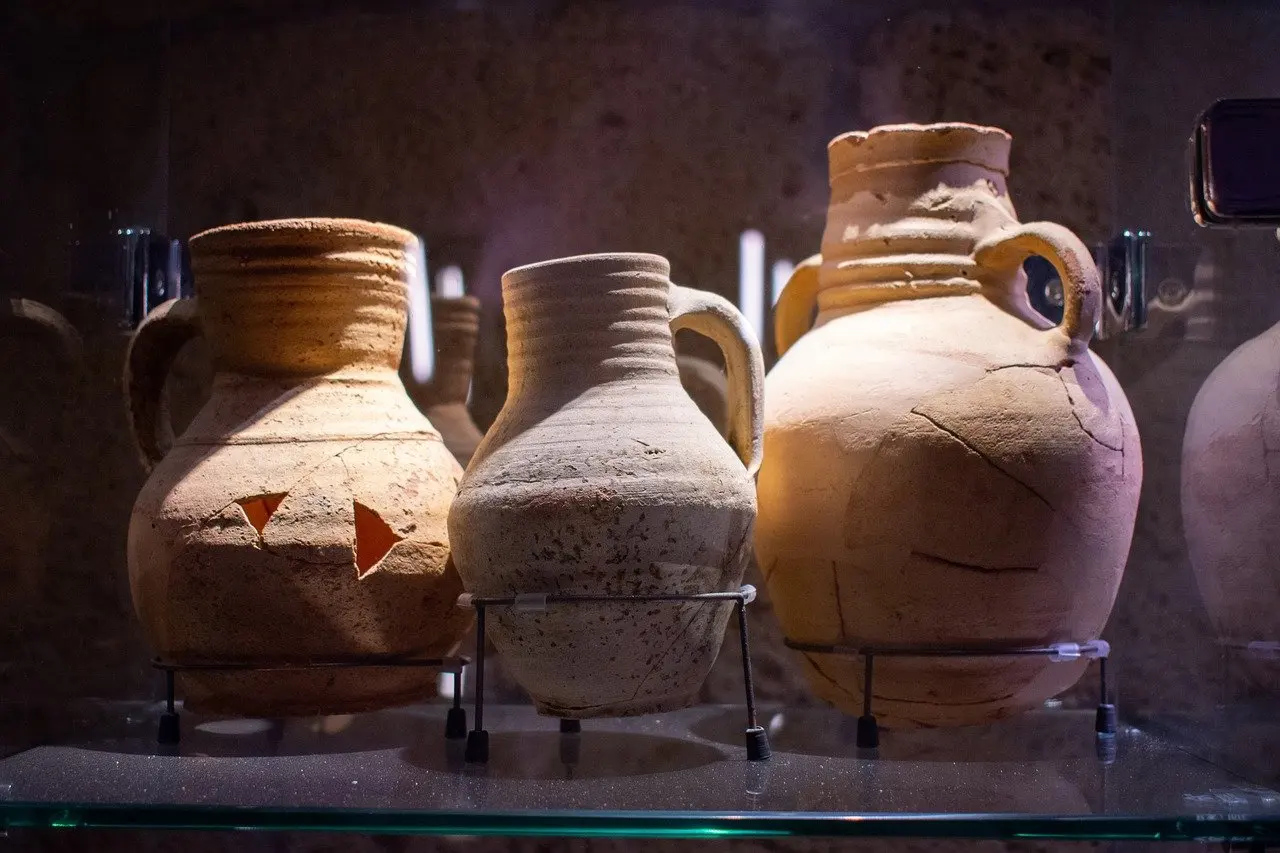
A traveller expects Etruscans only in Tuscany, then meets them in Bologna. Who were the Etruscans of Bologna? Villanovan-culture communities, named after a site near the city, whose Etruscan heritage in Emilia-Romagna dates to the 8th–6th centuries BC.
This page sorts out who these people were and where they sat in the Etruscan world. The fuller chronology is in the hub guide, etruschi a bologna storia, and the story of the city’s ancient name is covered in felsina etruscan bologna.
Etruria, Tuscany and Bologna
The Etruscans originated in the ancient region of Etruria, which covers present-day Tuscany and northern Lazio, according to Emilia-Romagna’s tourism portal. The same source dates Etruscan archaeological heritage in Emilia-Romagna to between the 8th and 6th centuries BC. Bologna’s Etruscans were therefore part of the wider Etruscan civilization, living north of the Tuscan heartland rather than inside it.
Three assumptions cause most of the confusion, and the table sets each against what the evidence supports.
| Common assumption | What the evidence supports | Planning use |
|---|---|---|
| Etruscans belonged only to Tuscany | Etruria was present-day Tuscany and northern Lazio, yet Etruscan heritage in Emilia-Romagna dates to the 8th–6th centuries BC | Read Emilia-Romagna as part of the Etruscan story, not as an exception to it. |
| “Villanovan” means a different people | The name comes from Villanova di Castenaso near Bologna, a site north of Etruria proper; the Verucchio necropolises are described as Etruscan Villanovan presence from the 9th–7th centuries BC | Expect both labels in writing about the Bologna area and treat them as overlapping. |
| Bologna was an isolated outpost | Villanovan society extended from Bologna to Verucchio, via Comacchio and Ravenna | Judge the reach of Etruscan culture by a whole corridor, not by one city. |
The dates and place names come from Emilia-Romagna Tourism, and the point that the Villanovan site lies north of Etruria proper from a Norton history text.
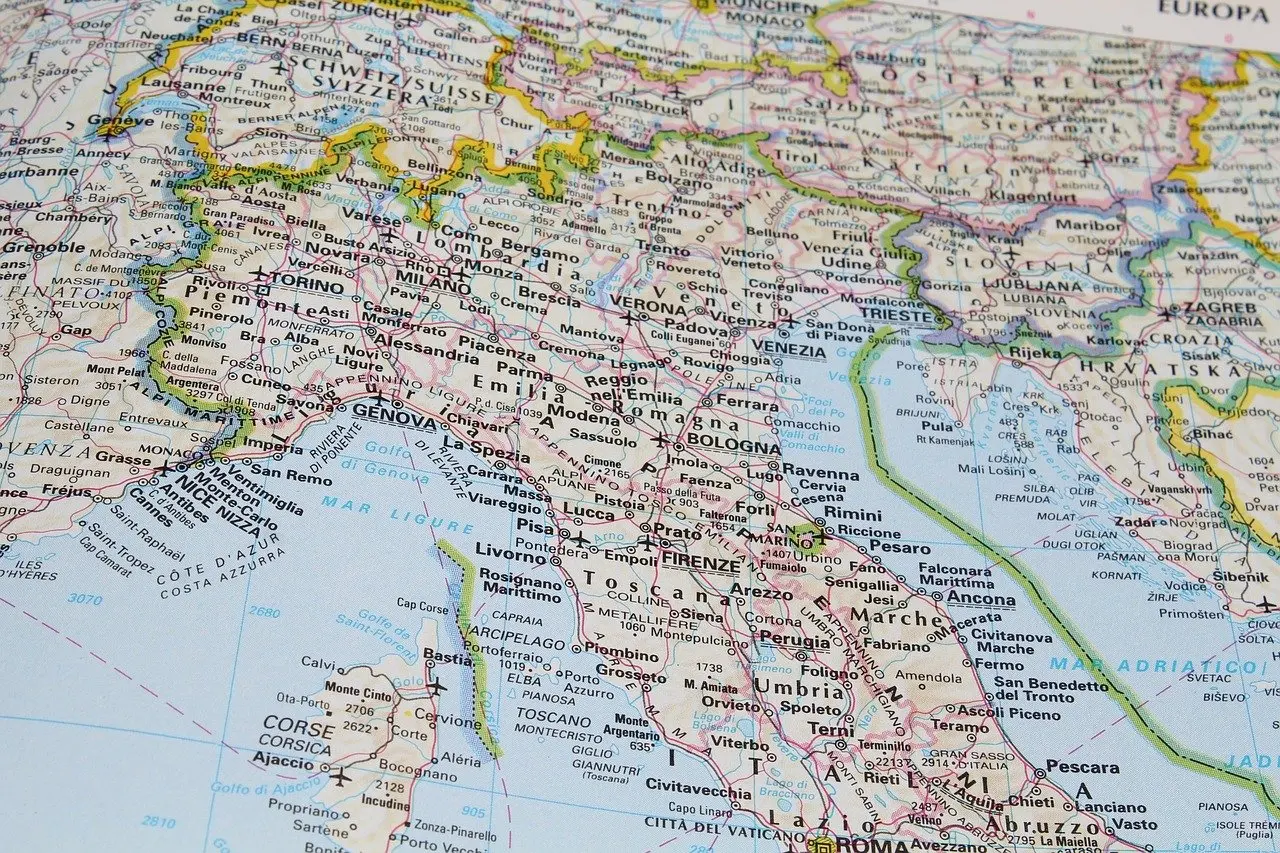
The practical lesson is to avoid the shortcut that maps Etruscans onto modern Tuscany. A modern map shows the geography well enough to see why. The Po Valley and Emilia-Romagna lie directly north of the Tuscan region, and Bologna sits at the edge of that plain.
Villanovan or Etruscan: one story, not two
Villanovan culture takes its name from Villanova di Castenaso in the Bologna area, as Emilia-Romagna’s tourism body explains. The label was given by historians and archaeologists after that place, so it describes a culture identified from the soil of Bologna’s surroundings.
That tourism source describes much of the territory from Bologna toward the Adriatic as home to an emerging society called Villanovan, and it calls the burial remains at Verucchio Etruscan Villanovan presence. A reader who meets “Villanovan” in an article about Bologna should therefore not assume a separate people. The Norton text likewise notes that the type site lies north of Etruria proper, which is why Bologna is a northern case and not a Tuscan one.
A city also stood on Bologna’s territory. A published archaeology article gives its Etruscan name as Velzna, which Latin turned into Felsina. The name and its history have their own guide, linked above, so this page keeps to identity.
How far Etruscan settlement reached in the Po Valley
Etruscan and Villanovan presence formed a chain across northern Italy, not a single point at Bologna. The regional itinerary lets readers trace it from west to east.
- Bologna area. Villanova di Castenaso gave Villanovan culture its name, and the Etruscan site of Kainua lies near modern Bologna.
- Verucchio. Its necropolises hold traces of Etruscan Villanovan presence dated between the 9th and 7th centuries BC. A small wooden chair carved from a single log dates to the 8th century BC.
- Comacchio and Spina. Finds in the Ferrara territory, particularly near Comacchio, attest Etruscan presence from the 6th century BC at the harbour of Spina. In 1922, drainage works at Valle Trebba began to yield the first objects attributed to the city’s necropolis.
- Ravenna. The same source lists Ravenna on the Villanovan route between Bologna and Verucchio, via Comacchio.
Anyone planning reading or a visit should treat Bologna as the best-known node and the other places as complements. Verucchio and Spina have their own finds and their own dates, which are not the same as Bologna’s.
What proves the Etruscan presence
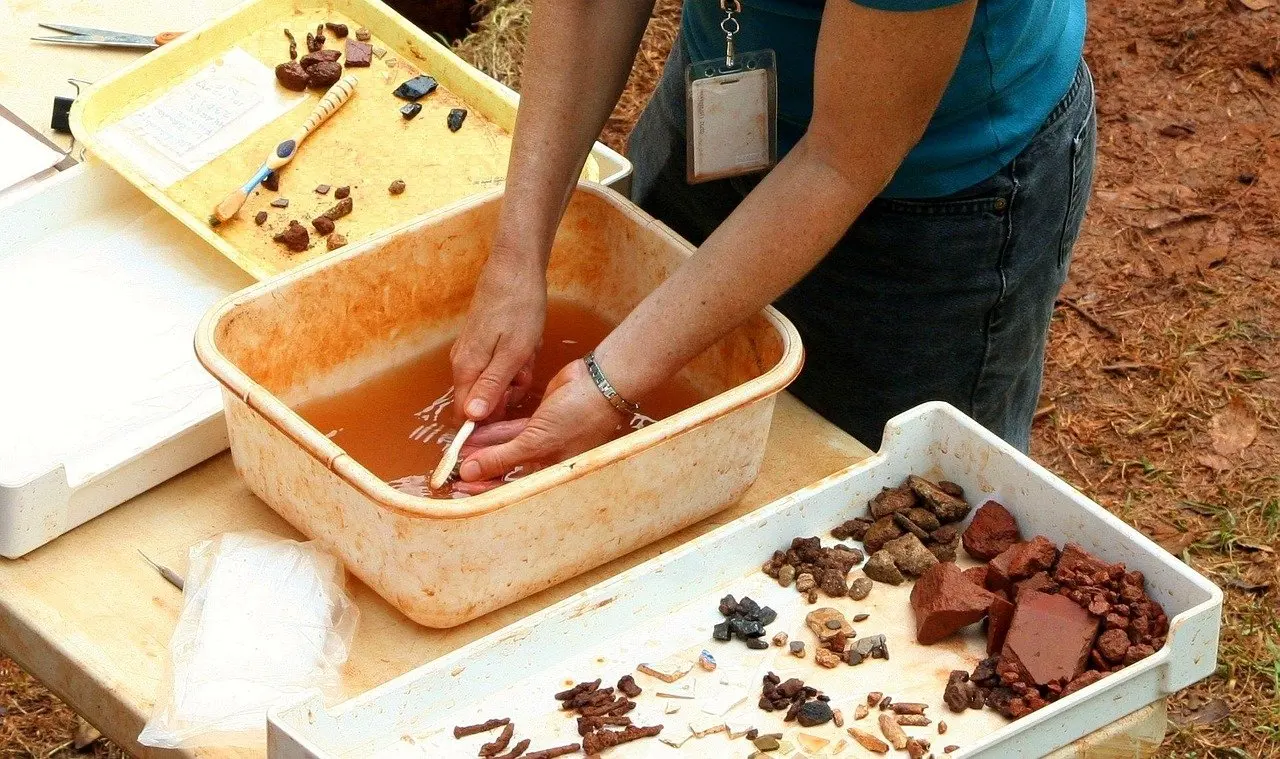
The evidence is material and local: burials, a sanctuary site and a few short texts. Together they place a recognisably Etruscan community in the Bologna area, and none of it depends on later storytelling.
Burials and urns
The Norton text records that Villanovan dead were cremated, with the remains placed in characteristic cinerary urns in pozzo-type graves. The urn was a biconical pot, handmade rather than wheel-thrown, with a shape approximating two cones. It was made of impasto, and its decoration was incised. These repeated, distinctive forms are how archaeologists recognise Villanovan burials, so a necropolis can be identified by its pots even without any writing.
Kainua and its sanctuary
Reporting on recent fieldwork describes the ancient Etruscan site of Kainua, near modern Bologna, as about 2,500 years old. A well there stood close to a sanctuary dedicated to the deity Uni, which shows that the community’s religious life, not only its burials, has left evidence.
Written traces
Surviving Etruscan texts consist entirely of short inscriptions, according to the Norton text, so most of what is known comes from objects found in tombs. That is why material remains carry so much weight in Bologna’s case. The inscriptions that do exist are discussed in etruscan inscriptions bologna.
Frequently asked questions
| Question | Answer |
|---|---|
| Where did the Etruscans of Bologna come from? | The Etruscans originated in Etruria, today’s Tuscany and northern Lazio. Villanovan society, named after a site near Bologna, is described as emerging across the territory between Bologna and the Adriatic. |
| How did Etruscan culture in Emilia-Romagna differ from Tuscany? | The clearest difference is position. The Villanovan type site near Bologna lies north of Etruria proper, so Emilia-Romagna sits at the northern edge of the Etruscan world. |
| What did the Etruscans call Bologna? | An Etruscan city on Bologna’s territory was called Velzna, which Latin rendered as Felsina. |