
Anyone searching for villanoviani bologna museo is looking for Iron Age material from cremation cemeteries, named after Villanova di Castenaso and dated from the early 1st millennium BC to the late 8th century BC.
A visitor to the etruscan museum bologna often arrives expecting Etruscan masterpieces and finds earlier objects labelled “Villanovan”. The label marks the period before the Etruscan showpieces, and the objects make sense once the burial practice behind them is understood.
What Villanovan means in Bologna
Villanovan culture is the Iron Age civilisation of the Bologna area, and it takes its name from a place rather than a people. According to a regional archaeology study of the Villanova finds, Giovanni Gozzadini himself called it the “villanoviana” civilisation, from the Greek-derived Latin sense of villa-nova, in honour of the place of discovery.
That origin explains much of the confusion. “Villanovan” does not describe a language, a tribe or a single object type. It is an archaeological label for the Iron Age burial grounds and the material found in them, first defined at Villanova di Castenaso and later applied to similar finds across the Bologna area.
The relationship to the Etruscans is best read as sequence. Villanovan Bologna is the Iron Age foundation phase, and the richer Etruscan period of Felsina, the Etruscan city on the site of Bologna, grows out of it. For the later phase, the guide to etruscan masterpieces bologna museum picks up where this period ends.
Common misunderstandings, checked against the evidence
Most wrong turns come from treating “Villanovan” as a synonym for “Etruscan”, or from assuming that every object sits in one city-centre gallery. The table sets the usual assumptions beside what the evidence supports.
| Common assumption | What the evidence supports | Planning use |
|---|---|---|
| Villanovan is just another word for Etruscan | It is a period label for the Iron Age, from the early 1st millennium BC to the late 8th century BC | Read Villanovan objects as the earlier layer beneath Etruscan Bologna |
| The name refers to a people or a city | It comes from Villanova di Castenaso, the place of discovery, and was coined by Gozzadini | Look for Villanova in museum labels and site names, not in ancient texts |
| A Villanovan cemetery is a small cluster of graves | Villanova yielded 179 cremation tombs and 14 inhumation tombs | Expect a large, systematic burial ground, not isolated finds |
| The people only cremated their dead | Cremation dominates, but 14 tombs at Villanova are inhumations | Treat cremation as the rule, with documented exceptions |
| The objects are all in central Bologna | A dedicated Villanovan museum stands at Villanova di Castenaso, about 6 km from the city centre | Allow a separate trip for the site museum |
The tomb counts come from Fondazione Carisbo’s biography of Gozzadini, while the chronology, naming and distance come from the regional archaeology study.
How the culture was discovered at Villanova
The site was uncovered on private land by an antiquarian who was also a public figure. Giovanni Gozzadini (Bologna, 15 October 1810 to Ronzano, 25 August 1887) was a historian, archaeologist and senator. His excavations on his own estate at Villanova di Castenaso, behind the parish of Santa Maria, ran from 1853 to 1856.
The most significant result, as Fondazione Carisbo’s account puts it, was the necropolis itself, with its 179 cremation tombs and 14 inhumation tombs. A cemetery of this size matters because it lets later researchers compare many burials from one community rather than relying on a single rich grave.
Gozzadini’s work is the reason the term exists at all. Readers who want more than a museum label will find that study the natural next step.
Reading burial practice through the objects
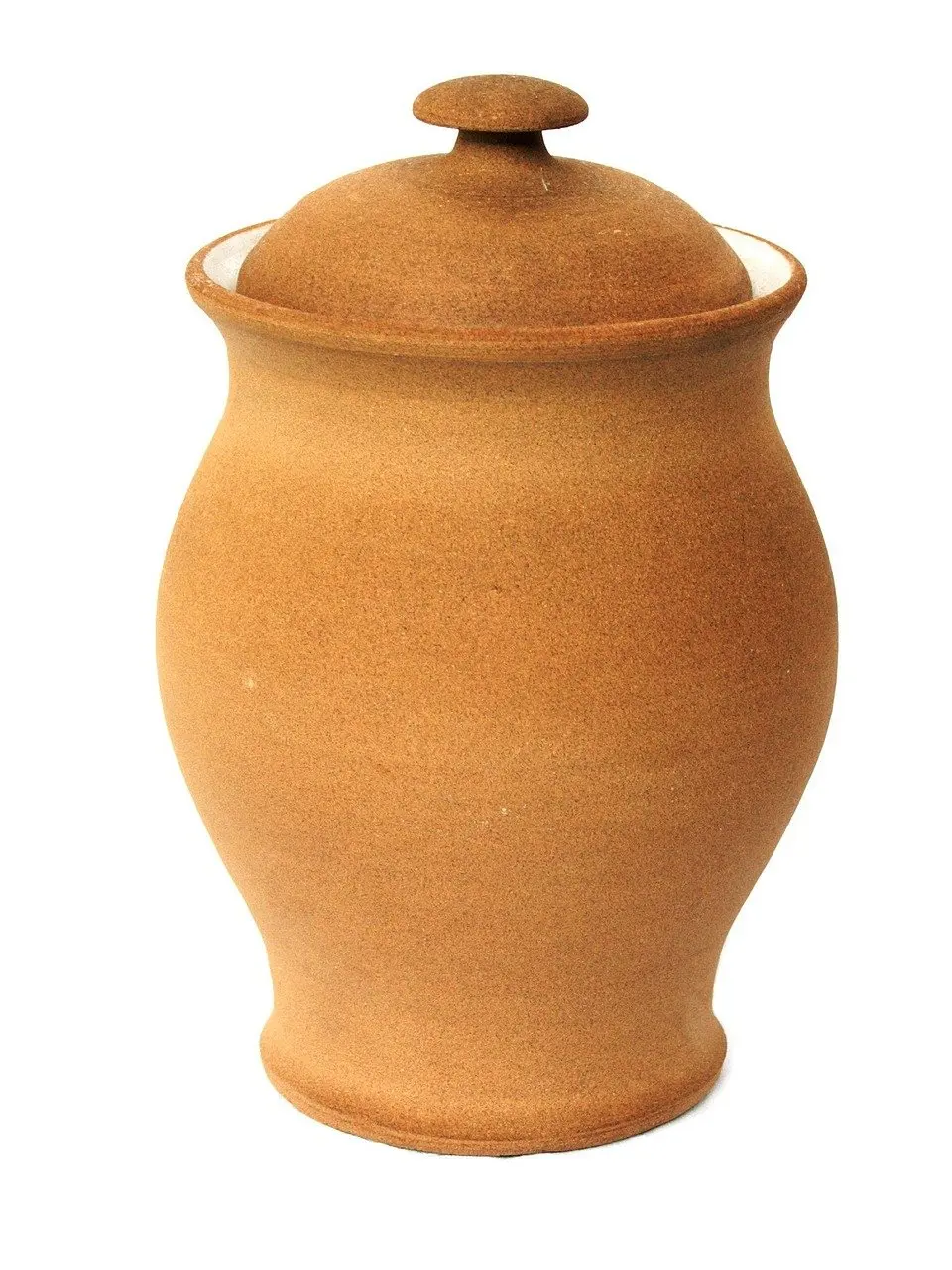
Villanovan objects are mostly funerary, so they are best read as the remains of a ritual. The dominant rite at Villanova was cremation, and that shapes what survives. The cremated remains were placed in a vessel, the biconical urn that gives the search term “biconico villanoviano” its meaning, and the vessel was buried together with the grave goods.
Cremation and inhumation
The ratio is the main interpretive clue: the community had a standard rite and a small minority who were treated differently. A tomb type that departs from the norm is worth noticing on a label, because it may point to a difference in status or circumstance. The evidence supplied does not say which.
Stelae as grave markers
The museum holds eight funerary markers, in sandstone and limestone, from the Marano cemetery. Stone markers show that some burials were meant to be located and remembered above ground, which is a different message from the buried objects below. The Metropolitan City of Bologna announced that the reopened route, from 11 February 2011, shows all the Marano stelae together for the first time, beside the grave goods.
Grave goods as a set
Grave goods are best read as groups rather than as single treasures. A marker next to its tomb contents lets a visitor see how a burial was put together, and that pairing is exactly what the 2011 route was designed to show. Judge a display by whether it keeps objects with their tomb, because the context carries more meaning than any one piece.
Objects to look for, and how to read them
A short checklist helps when the labels are dense. The supported evidence points to three kinds of object worth stopping for.
- Cinerary vessels. The biconical urn is the container for the cremated remains. Notice whether a cover sits on top, since a lid or bowl turns a pot into a sealed burial.
- Stone markers. The Marano stelae are the clearest evidence that burials were signposted. Compare the sandstone and limestone examples as a group.
- Metal and personal items. Grave goods are the best guide to how a community presented its dead. Bronzework is covered separately in the guide to etruscan bronzes bologna museum, which suits readers who want to follow the metal tradition forward.
One practical judgement follows. If time is short, give priority to the tomb groups and stelae over isolated showcases, because they carry the burial context that defines the culture.
Where to see Villanovan Bologna
The Villanovan museum (MUV) is at Villanova di Castenaso, about 6 km from the centre of Bologna. It suits visitors who want the original find-spot of the culture and the Marano stelae shown with their grave goods. A visit to the villanovan culture museum bologna therefore needs its own trip and should not be squeezed in as an afterthought to a city-centre museum visit.
Outdoors, the museum park has a full-size reconstructed Villanovan hut, inaugurated in 2018 and noted for the public interest it attracted. A similar model in Bologna’s Giardini Margherita has a circular plan about 4 m across, with a floor sunk up to 80 cm. The depth is a useful detail for visitors: it shows that a Villanovan dwelling was partly dug into the ground rather than built wholly above it.
For city-centre context, return to the etruscan museum bologna overview, which places the Villanovan period within the wider collections.
Frequently asked questions
| Question | Answer |
|---|---|
| When did the Villanovan culture flourish? | From the early 1st millennium BC to the late 8th century BC, during the Iron Age. |
| Who was Giovanni Gozzadini? | A Bologna-born historian, archaeologist and senator (1810 to 1887) who excavated at Villanova di Castenaso. |
| How big was the Villanova cemetery? | 179 cremation tombs and 14 inhumation tombs. |
| Where can the objects be seen? | At the Villanovan museum in Villanova di Castenaso, about 6 km from central Bologna. |