

| Topic | What is supported | Planning use |
|---|---|---|
| Ancient name | Kainua is the Etruscan city at modern Marzabotto | Search and read under both names, because publications and site pages may use either. |
| Regional setting | Part of the history of Etruria Padana, the Etruscan Po Valley | Place the visit in a wider Po Valley story, not in isolation. |
| Latest excavation | A ritual well sealed for over 2,000 years | Treat the site as active research that keeps adding to the picture. |
| Well finds | Votive bronzes, ritual objects and human remains | These are the objects to ask about at the museum. |
| Museum | Museo Nazionale Etrusco di Marzabotto, with a new exhibition route | Confirm the current display before travelling for a specific find. |
| Research themes | Foundation rites, water cult, and the link between religion and urban space | Look at how sacred places and the street layout relate. |
These details come from Artribune’s report on the latest excavation campaign at Kainua.
The Marzabotto Etruscan city is the ancient settlement known as Kainua, and it suits visitors who want to read a whole planned town in the ground, then see its finds in the local museum.
It also belongs to a wider network of etruscan archaeological sites in emilia-romagna, so it works best as one stop in a longer itinerary.
Marzabotto and Kainua: city, name and importance
Marzabotto is the modern place name. Kainua is the name of the ancient Etruscan city whose remains lie there. Artribune describes the latest excavation as taking place at “Kainua, l’antica città etrusca di Marzabotto”, which settles the identification for practical purposes: a reference to either name points to the same site.
The city matters to Etruscan archaeology for two reasons. First, it is presented as part of the history of Etruria Padana, the Etruscan Po Valley, which makes it a key place for understanding Etruscan settlement north of the Apennines. Second, excavation here is still producing evidence about how an Etruscan city was organised and how its inhabitants practised religion.
What the latest campaign found
The most recent campaign uncovered a ritual well that had stayed sealed for over two thousand years. According to Artribune, it yielded well-preserved votive bronzes, ritual objects and human remains. The finds are said to shed light on foundation rites, water cult and the relationship between spirituality and urban space in Etruscan civilisation.
For a visitor, the practical lesson is that the site is a working research area. What is known about the city is still being revised, so recent publications and museum labels may say more than older guidebooks.
Reading the orthogonal street grid
An orthogonal street grid is a town plan in which streets meet at right angles. Marzabotto is studied as an example of this planned layout, and the ritual well research ties directly into it. Artribune frames the find as evidence for the link between religion and urban space, which suggests that the city’s sacred and civic arrangement was not accidental.
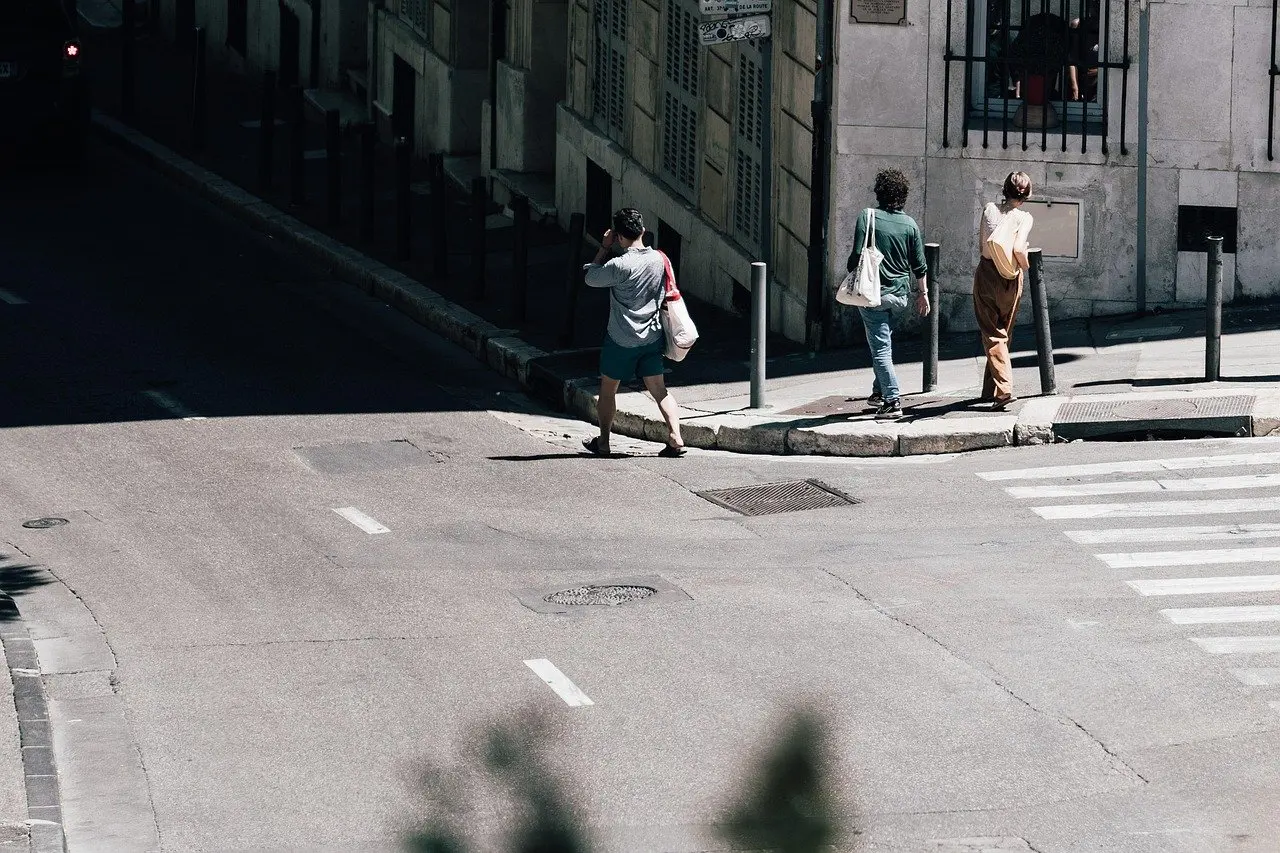
When walking a grid city, orient yourself by the streets first and the individual foundations second. Once the main lines are clear, each excavated area becomes easier to place, and the relationship between open space, buildings and ritual features starts to make sense.
Before the visit
Planning is simple, but it should be done in a sensible order, because opening arrangements and displays can change.
- Search under both names. Use Marzabotto and Kainua when looking for current information, excavation news and museum pages.
- Check official visiting details. Confirm opening days, hours and ticket arrangements for the archaeological park and the museum with the official museum or Ministry of Culture channels before travelling.
- Decide what you want to see. If the ritual well finds are the draw, ask whether they are on display yet, because Artribune says they will enter the museum’s new exhibition route rather than describing them as already shown.
- Match the day to the weather. The park is an outdoor excavated area, so a dry day makes the walk easier to follow, and the museum is the better fallback if conditions turn poor.
In the archaeological park
The park is where the city’s plan can be read directly. The most useful approach is to walk the main lines of the excavated streets before stopping at individual remains, then look for places where ritual and daily life sat close together.

This suits visitors who like to move slowly and think about space. If you prefer objects to landscapes, shorten the park walk and give more time to the museum, since the objects carry much of the explanation for what the remains once were.
At the national museum
The Museo Nazionale Etrusco di Marzabotto holds finds from the city and is where individual objects become understandable. Artribune reports that the objects from the ritual well, including the votive bronzes and other ritual material, will join the museum’s new exhibition route.
That wording matters for planning. It supports expecting a reworked display, but it does not guarantee that every object from the well is on view on a given day. Ask at the museum or check its official page if one object is the reason for the trip.
Choosing between park and museum
- Park first suits readers who want the plan of the city fixed in mind before meeting objects.
- Museum first suits those who want context for the ritual finds, then a walk to see where such practices belonged in the city.
After the visit: the wider Etruscan Po Valley
Marzabotto is one part of the Etruscan story in the Po Valley. Its settlement evidence reads best alongside burial evidence from Bologna, such as the villa cassarini necropolis bologna material, and alongside a port-city of a different kind, spina etruscan city.

Comparing sites helps because each shows a different side of Etruria Padana. Marzabotto shows a planned city and its ritual life, while the other sites add burial customs and trade, so the full picture needs all of them.
If plans go wrong
- A specific find is not on display. Exhibition routes are being reorganised, so ask museum staff whether the object is exhibited or in storage, and use the park walk to make the trip worthwhile anyway.
- Information differs between sources. Older pages may use only one name or describe earlier displays. Prefer official museum and Ministry of Culture pages for practical details.
- The excavated areas are hard to read. Return to the street lines. Follow one street through the site and note where it meets others, then place the remains relative to that line.
Frequently asked questions
Which name should be used, Marzabotto or Kainua?
Both refer to the same site. Marzabotto is the modern name, and Kainua is the ancient Etruscan city, so use both when searching.
Are the ritual well finds already on display?
Artribune says they will become part of the museum’s new exhibition route. Confirm with the museum before planning a visit around them.
Is excavation still going on?
Excavation campaigns have continued, and the latest one produced the sealed ritual well. This is why interpretations of the city keep developing.
What does the well tell researchers?
The finds are said to illuminate foundation rites, water cult and how religion and urban space were connected in Etruscan civilisation.