
| Site or topic | Verified detail | Planning use |
|---|---|---|
| Marzabotto (ancient Kainua) | Under 30 km from Bologna; preserves houses, streets, temples and workshops | The closest excavated Etruscan city to Bologna. Start here to understand how a town was laid out. |
| Marzabotto museum entry | Full price €7; concession €2; Card Cultura holders free | A low-cost visit. Check concession and card eligibility before paying full price. |
| Marzabotto museum hours | Thursday to Sunday 11:15 AM–6:30 PM; Tuesday and Wednesday 9:15 AM–4:30 PM for guided groups only; Monday closed | Individual visitors should plan for Thursday to Sunday. Tuesday and Wednesday suit organised groups. |
| Banditaccia necropolis, Cerveteri | About 2 square kilometers; dates from the 7th to 1st centuries BC; about 40 km north of Rome | A comparison for the scale and time depth of an Etruscan cemetery, outside Emilia-Romagna. |
Figures come from the Bologna Welcome page on the Marzabotto museum and ancient city and the Italy Perfect overview of Etruscan history.
Etruscan archaeological sites in Emilia-Romagna centre on Marzabotto, a planned city under 30 km from Bologna, plus the necropoleis and museum finds that show how Etruscans lived and buried their dead.
This guide connects the excavated places with the methods used to read them. For a detailed city profile, go to the marzabotto etruscan city guide. For routes, opening conditions and what to see in person, use etruscan sites to visit near bologna.
Where to start: choosing a path through the evidence
Etruscan archaeology near Bologna splits into settlement evidence, burial evidence and the methods that turn both into a timeline. Each path answers a different question, so the best starting point depends on what you want to understand.
- Start with the city if you want to see a whole Etruscan place. Marzabotto is described as the only Etruscan city that can still be explored according to its original urban layout. It suits readers who learn best from streets, houses and workshops rather than from objects in cases.
- Start with the cemeteries if you are drawn to people and belief. Necropoleis hold the urns, markers and grave goods that reveal status, trade contacts and funerary custom. The Bologna cemetery guides are the best entry for this interest.
- Start with methods if you distrust dates and interpretations. Reading how excavators record layers and compare objects makes every later site page easier to judge.
- Start with the wider network if you are interested in trade. Marzabotto sat on a route linking the port of Spina with Tyrrhenian Etruria, so the Po delta and the Reno valley belong in the same picture.
Most readers gain the most by taking the city first. The settlement supplies the vocabulary of streets, temples and workshops that the burial and dating sections then build on.
Marzabotto: the excavated city of Kainua
Marzabotto is the best-documented excavated Etruscan settlement in the Bologna area. Bologna Welcome gives its ancient name as Kainua and describes it as an Etruscan caravan city at the heart of a trade network that ran from the port of Spina to Tyrrhenian Etruria.
What has been excavated
The archaeological area preserves an ancient urban environment of houses, streets, temples and workshops, according to Bologna Welcome. That list matters because it covers the full range of urban life in one place: domestic space, circulation, religion and craft production. Most Etruscan sites offer only one or two of these, usually tombs and a few foundations.
The practical consequence is that Marzabotto lets you test ideas about the Etruscan town against ground plans. How streets relate to buildings is the subject of etruscan urban planning marzabotto. The sacred buildings are covered in marzabotto etruscan temples. Read the urban planning page first if you are new to the site, because the temples make more sense once the street framework is clear.
Key finds and where they are kept
The museum beside the site houses the most significant finds from the city, its necropoleis and its sacred sites. Among the most outstanding pieces are a Greek marble Kouros Head and bronze votive statuettes. The display also includes Attic pottery, bronzes, stone and marble funerary markers, and glass-paste and alabaster unguent containers.
This mix is revealing in itself. A Greek marble head and Attic pottery point to contact with the Greek world, while the votive bronzes belong to religious practice. The funerary markers and unguent containers belong to burial. A single collection therefore documents trade, worship and death for one community, which is why the museum is worth combining with a walk through the excavated streets rather than treating it as an optional extra.
Planning the visit
The museum charges a full price of €7 and a concession price of €2, and Card Cultura holders enter free. Opening hours are Thursday to Sunday from 11:15 AM to 6:30 PM. On Tuesday and Wednesday it opens from 9:15 AM to 4:30 PM for guided groups only, and it is closed on Monday. The Archaeological Park is partially accessible to people with mobility impairments, so visitors with limited mobility should confirm which parts of the grounds they can reach before travelling.
Because the weekday opening is restricted to groups, solo travellers and families are best served by choosing a Thursday to Sunday. The site lies under 30 km from Bologna, which makes it a realistic half-day trip. Verify current hours before leaving, since a published schedule can change.
Necropoleis near Bologna: what they are and what they contain
A necropolis is a formal cemetery, a planned burial ground outside the living town, and in Etruscan archaeology it is often the richest source of objects. Cemeteries preserve things that settlements rarely do, because objects placed with the dead were deliberately set aside rather than used up, discarded or rebuilt over.
Contents of an Etruscan necropolis
A necropolis typically yields burial containers, grave markers and grave goods, which are the objects deposited with the dead. At Marzabotto the museum holds finds from the city, its necropoleis and its sacred sites, and its display of stone and marble funerary markers, Attic pottery, bronzes and unguent containers shows what burial areas return. Italy Perfect adds that the artwork in Etruscan tombs, for which the Etruscans were known, acts as a chronicle of the period, giving the burial record a reach that the surviving written record lacks.
That second point deserves weight. The Etruscan language has never been fully deciphered, and only short passages have ever been recovered, according to Italy Perfect. Archaeologists therefore lean on objects, images and context more heavily than they would for a society with long surviving texts. Treat any confident narrative about Etruscan belief as an inference from material evidence, not a reading of what the Etruscans wrote about themselves.
Cemeteries in and around Bologna
Two Bologna cemeteries have their own guides. The villa cassarini necropolis bologna page covers one burial ground within the modern city. The certosa di bologna etruscan necropolis page covers the Certosa. Together with the burial areas tied to Marzabotto, they show that Etruscan Bologna and its neighbouring town each kept their dead in organised cemeteries rather than scattered graves.
If you are choosing between them, pick the Certosa page when you want a broader explanation of a major Bologna cemetery, and Villa Cassarini when you want a more specific excavated burial area. Both rest on the same questions about who was buried, how, and with what.
A comparison outside the region: Banditaccia at Cerveteri
Cerveteri lies in Lazio, not Emilia-Romagna, but its Banditaccia necropolis gives a useful sense of scale. It was the main burial site of the Etruscan city of Caere, covers about 2 square kilometers, dates from the 7th to 1st centuries BC and lies about 40 km north of Rome, per Italy Perfect.
Use this as a benchmark rather than a template. It shows that an Etruscan cemetery could be used across many centuries and could grow into a landscape of its own. Bologna’s cemeteries should be judged on their own evidence, not assumed to match Cerveteri in form or span.
Burial practice, cinerary urns and grave goods
A cinerary urn is a container for the ashes of a cremated person, and studying cremation burials means working with a smaller and more fragmentary body of remains than a skeleton provides. The container, the objects placed with it and the position of the burial in the cemetery therefore carry much of the interpretive weight.
How cremation burials are studied
Because the body itself is reduced, archaeologists read the burial as an assemblage. The urn type, any lid or covering, the markers above the grave and the objects deposited beside it are recorded together, so that each can be compared with other burials. The Marzabotto display of stone and marble funerary markers, bronzes, Attic pottery and glass-paste and alabaster unguent containers illustrates the categories that such an assemblage can include.
The central rule is that an object means little once it is detached from its find context. A bronze or a vessel of imported pottery tells a richer story when its burial, its neighbours and its position are known. That is why excavation recording, covered later, matters as much as the finds themselves. The wider interpretation of Bolognese funerary custom is gathered in etruscan burial practices bologna.
Grave goods as evidence
Grave goods are the objects deposited with the dead, and they are the main source for reading status, trade and belief from a burial. Pottery, bronzes and unguent containers can show what a community valued and with whom it exchanged goods. The marble Kouros Head and the bronze votive statuettes from Marzabotto come from the city’s wider archaeological record, and they show the types of imported and religious objects that can turn up on an Etruscan site.
Judge claims about grave goods cautiously. A rich assemblage suggests status or access to trade, but it does not on its own prove a specific identity or role. When a guide states more than the objects can support, compare it with the excavation context.
How archaeologists date and interpret Etruscan sites
Etruscan dating rests on layers, objects and decorated surfaces, compared against one another and expressed as ranges rather than single years. A phrase such as the 7th to 1st centuries BC, used for the Banditaccia necropolis, is a span, and it signals how a site is dated in practice: by period, not by an exact date.
Stratigraphy and context
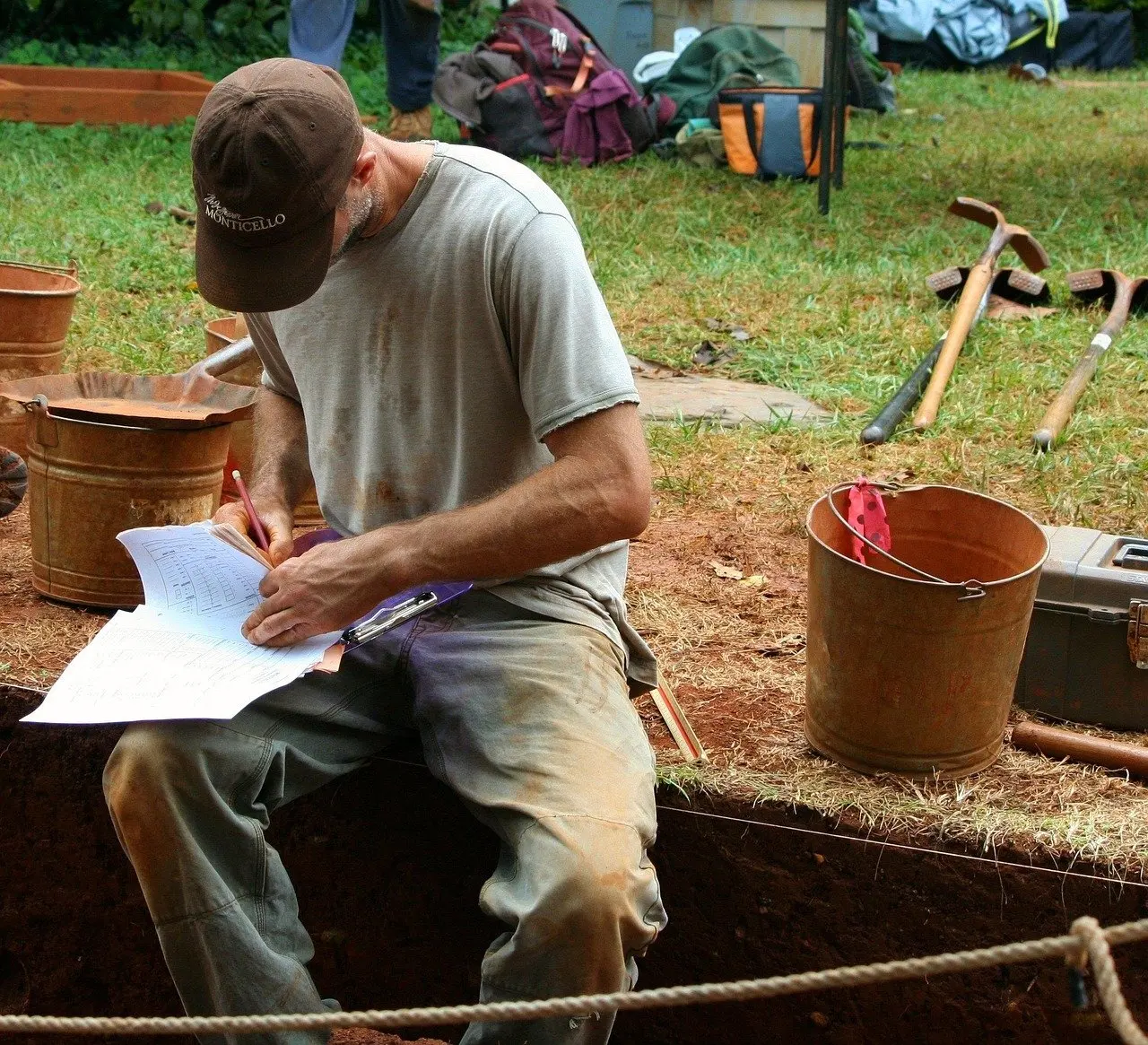
Stratigraphy is the study of layers in the ground. Soil deposits build up over time, so the relationships between layers help establish which came before and which after. A clean section through an excavation trench shows that sequence directly, and it is the foundation on which every other dating argument stands.
Disturbed ground weakens the argument, because later digging, rebuilding or ploughing can mix materials from different periods. This matters in a city such as Bologna, where continuous occupation over a long time complicates the record. For a step-by-step account of how a tomb is opened and recorded, read how archaeologists excavate etruscan tombs.
Objects and decoration as a clock
Objects offer a second clock. Italy Perfect notes that tomb art acts as a chronicle spanning almost the entire Etruscan period, which means changes in tomb decoration can help arrange sites in order. Likewise, the display at Marzabotto of Attic pottery, bronzes and funerary markers gives researchers material that can be compared with finds from other sites.
The comparison approach has a limit. Resemblance between two objects supports a relationship in date, but it does not fix a calendar year, and a long-lived type can mislead. Reliable dating combines the position in the ground with the character of the objects. The detailed treatment sits in how are etruscan finds dated, which is the right next read for anyone who wants the reasoning behind specific date ranges.
What the language gap changes
Since the Etruscan language has not been fully deciphered and only short passages survive, dating cannot lean on long inscriptions the way it can for some other ancient cultures. Short texts, where they exist, add detail, but archaeologists mostly depend on physical evidence. This strengthens the case for careful recording and for reading any single date claim as part of a wider argument.
Recording an excavation: from trench to survey
Recording is what turns a hole in the ground into evidence that others can check. Every layer, object and feature needs a documented position, since digging destroys the deposit and the record is all that remains.
Surveying positions
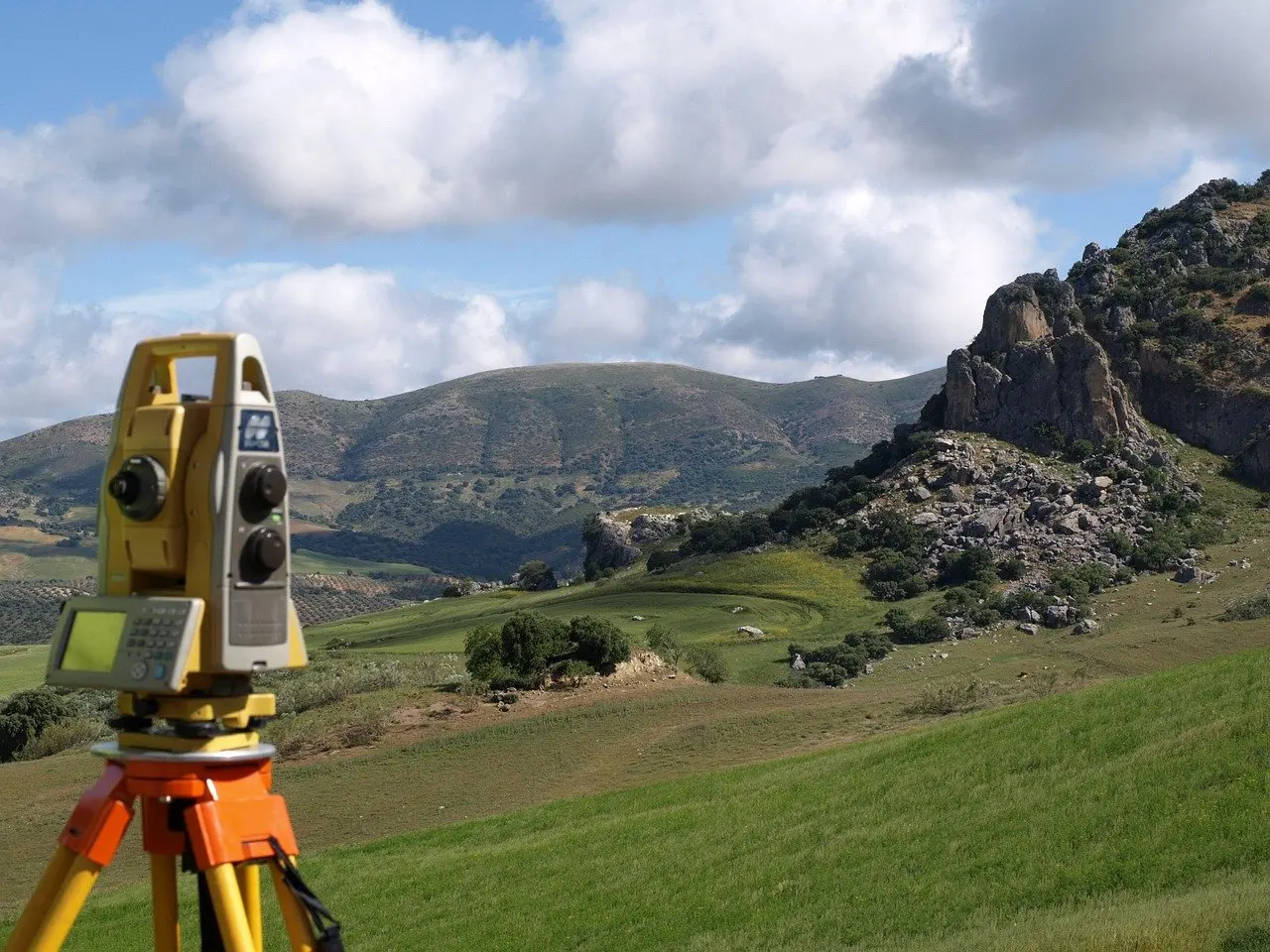
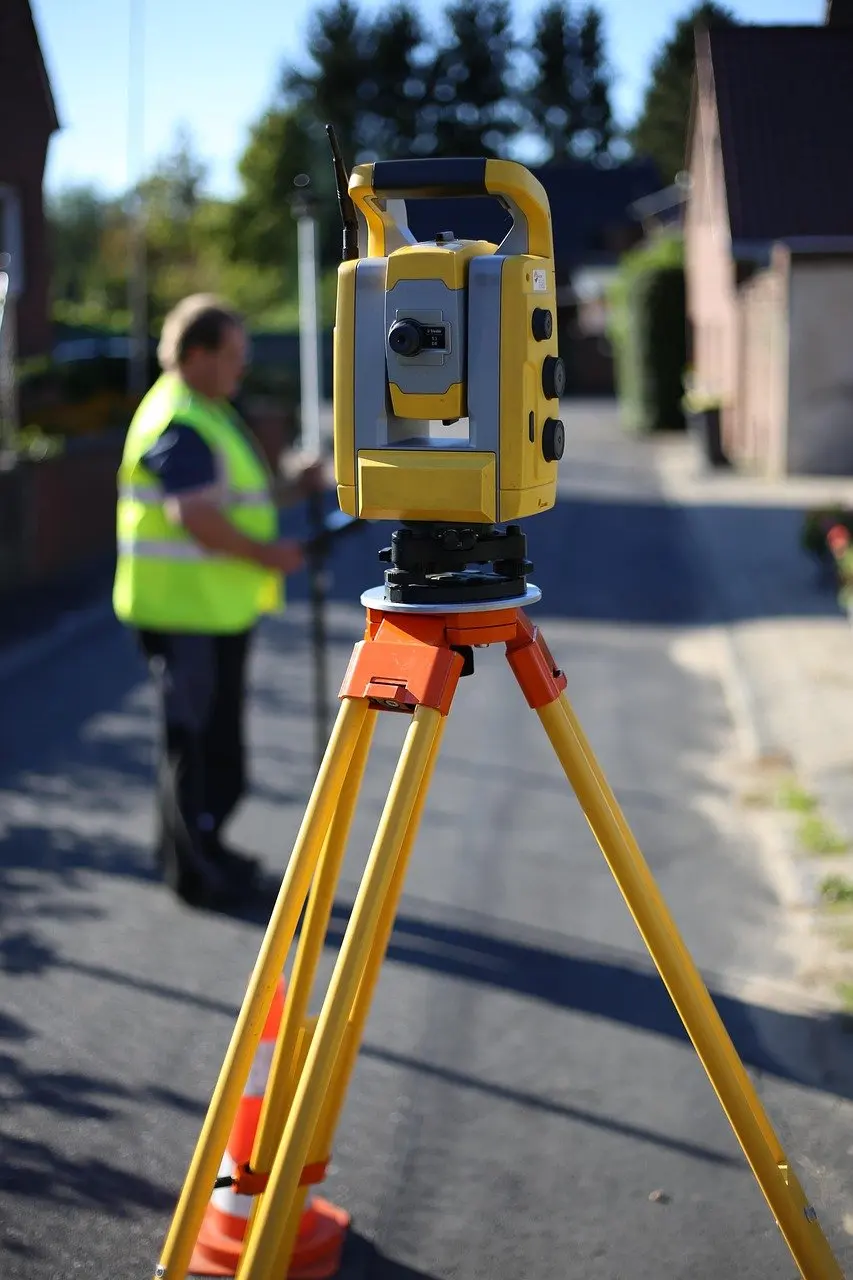
A total station is a surveying instrument that measures positions precisely, and it is widely used on excavations to fix where finds and features lie. It allows a team to map a trench, a wall line or a burial accurately, and to relate separate areas of a site to one another. The images here are illustrative only, since they show instruments in everyday settings rather than at an Etruscan dig.
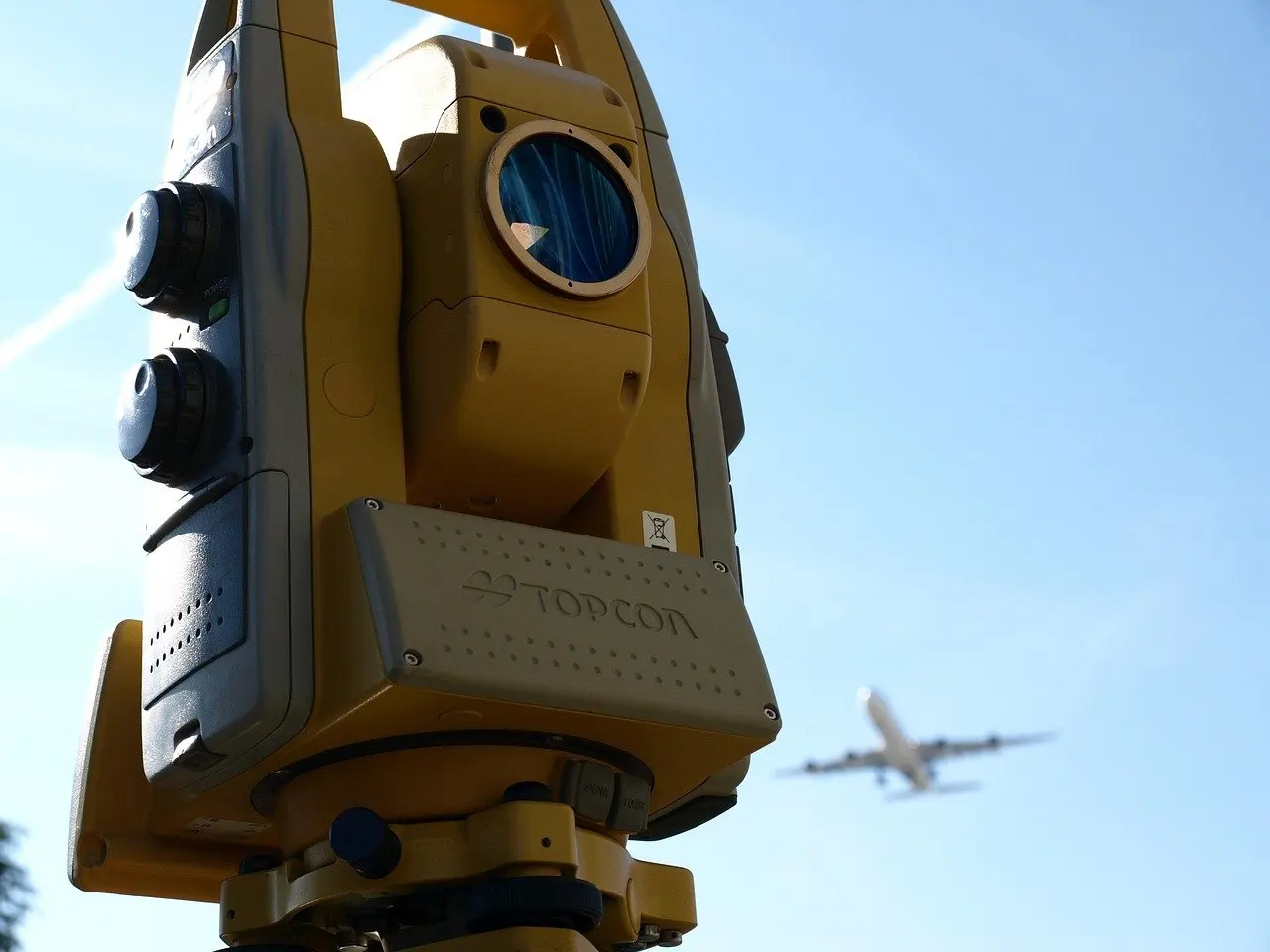
For a city plan such as Marzabotto, accurate mapping is what lets later researchers study the relationship between streets, houses and temples. A planned town only reads as planned when its parts can be measured against each other, and good survey makes that comparison possible.
Reading terrain
Survey also covers the landscape around a site. Open hillside, river valley and ridge all shape where Etruscans settled and buried their dead, and mapping the ground helps place cemeteries relative to the towns they served. The Reno valley setting of Marzabotto and its neighbours is explored in etruscan sites reno valley.
Washing, sorting and processing finds
Fieldwork produces finds that then need cleaning, sorting and cataloguing, and this post-excavation stage is where the bulk of the interpretive work is done. Pottery fragments are separated by type and context, so that a pile of sherds becomes a body of comparable evidence. The image below is generic and does not show an Etruscan site.
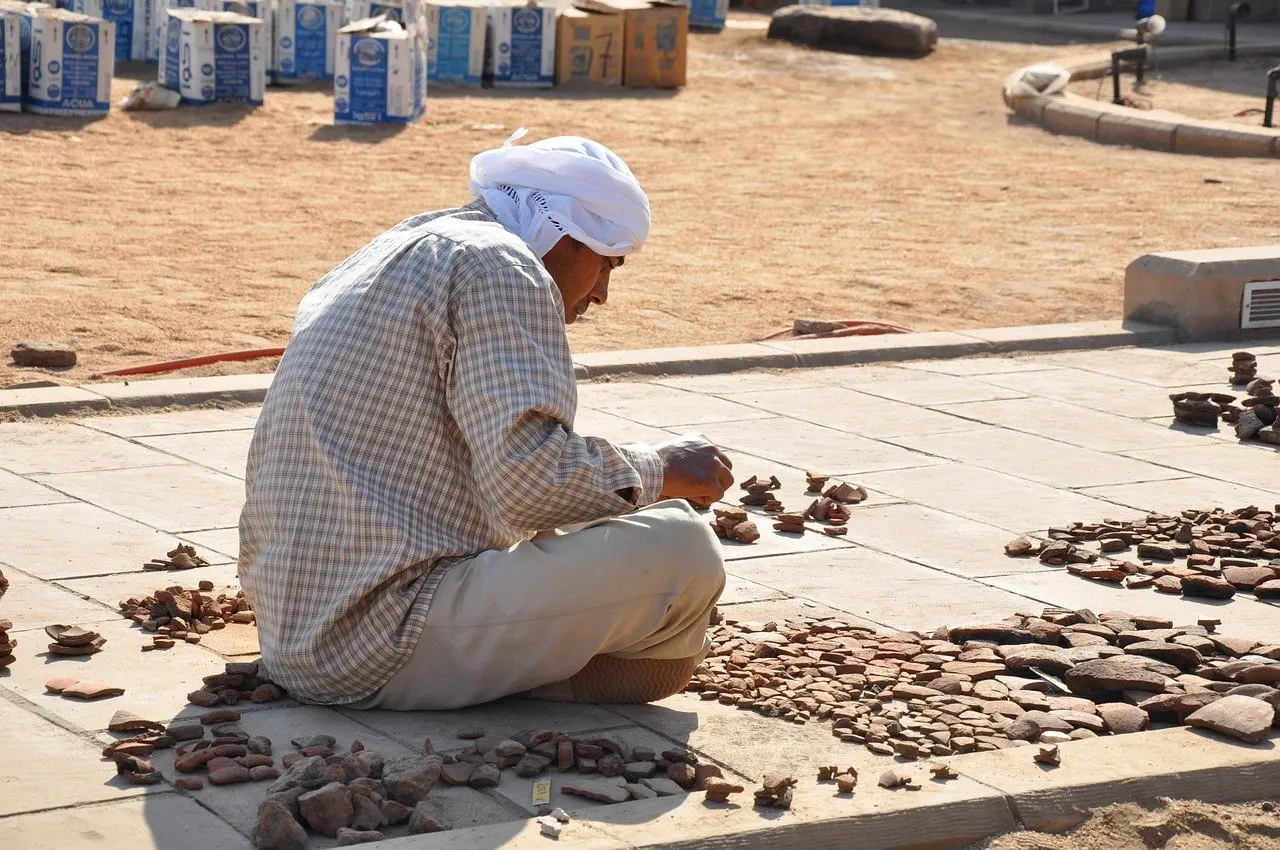
Sorting is not glamorous, but it decides what can be said later. A fragment recorded with its layer can help date that layer, while an unlabelled one is of far less use.
Pottery, bronzes and the trade they reveal
Pottery and bronzes are the objects most often used to connect Etruscan sites to one another and to the wider Mediterranean. The Marzabotto display lists Attic pottery and bronzes alongside its marble Kouros Head and bronze votive statuettes, so the finds themselves point to exchange networks as well as local craft.
Read this evidence in two directions. Imported pieces show contact, and locally made ones show production and taste. The guide to etruscan pottery found near bologna develops the ceramic side, while etruscan metallurgy bologna follows bronze working and exchange. A notable metal find from the city is covered in san francesco hoard bologna.
Because the Marzabotto site sat on a route from Spina to Tyrrhenian Etruria, a pot or bronze there can reflect long-distance movement, not just local use. Even so, an imported object only proves that it arrived. It does not say how, through whom or at what price, so keep trade conclusions modest unless the context supports more.
The wider Etruscan landscape beyond Marzabotto
Bologna and Marzabotto were part of a larger Etruscan network in the Po plain and beyond. Marzabotto’s role as a caravan city linking Spina with Tyrrhenian Etruria places it between the Adriatic coast and the Etruscan heartland, so understanding it means looking at both ends of that route.
Spina and the Po delta
Spina was the port at the Adriatic end of the trade network. The page on spina etruscan city covers it and other Po delta sites. It is the natural next step for readers who want to understand where goods entered the system.
Etruscan and Celtic layers
Bologna’s archaeological record does not stop with the Etruscans, and later populations left their own traces in the same ground. The guide to celtic boii archaeology bologna explains how Etruscan and later layers are distinguished. It is a useful read for anyone who has absorbed the stratigraphy section and wants to see the principle applied to a mixed site.
Choosing what to read or visit next
- You want a single day out. Go to Marzabotto on a Thursday to Sunday and combine the excavated streets with the museum. Use the visiting guide for the practical side.
- You want to understand burials before seeing them. Read the burial practices page, then the Certosa and Villa Cassarini guides.
- You want to judge claims. Read the excavation and dating pages first, so that site descriptions can be weighed against method.
- You are interested in trade. Follow pottery, metallurgy and the Spina page in that order.
None of these paths needs to be completed before another, since each page stands on its own. Still, readers who start with methods often find site descriptions clearer, while those who start with sites tend to find method pages more concrete.
Frequently asked questions
What has been excavated at Etruscan Marzabotto?
Excavation has revealed an ancient urban environment of houses, streets, temples and workshops at the site of Kainua. The museum holds finds from the city, its necropoleis and its sacred sites, including a Greek marble Kouros Head and bronze votive statuettes.
How do archaeologists date Etruscan tombs?
They combine the layers in which a tomb sits with comparison of the objects and art inside it. Tomb art acts as a chronicle across almost the whole Etruscan period, and dates are normally given as spans, such as the 7th to 1st centuries BC at Cerveteri’s Banditaccia necropolis.
What are Etruscan necropoleis and what do they contain?
They are organised cemeteries holding burials, grave markers and grave goods. At Marzabotto, finds from its necropoleis include stone and marble funerary markers, bronzes, Attic pottery and glass-paste and alabaster unguent containers.
How are Etruscan cremation burials studied?
Researchers treat the urn, its markers and the objects deposited with it as one assemblage, recorded in position and compared with other burials. Context matters because cremated remains are limited, so the surrounding objects carry much of the evidence.
Is Marzabotto the best Etruscan site to visit from Bologna?
For seeing a whole city, yes: it is described as the only Etruscan city that can still be explored according to its original urban layout, and it lies under 30 km from Bologna. For burials, the Bologna cemetery guides are the better starting point.